Anthropic closes first day of public trading at $1.3tn valuation after largest-ever IPO
Source: Guardian Markets ↗
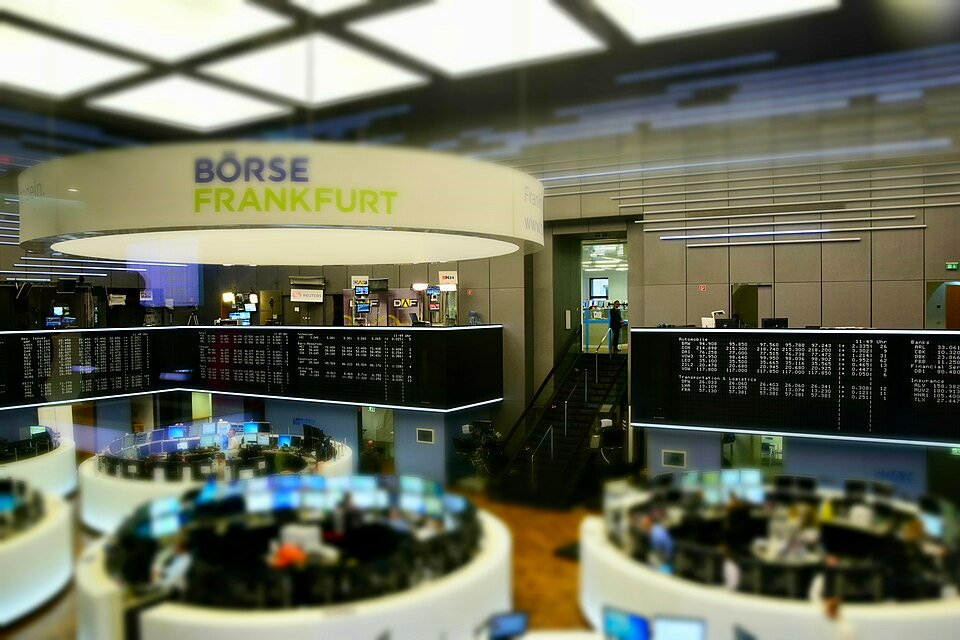
AI startup and Claude chatbot maker became one of the world’s most valuable publicly traded businesses with final share price of $97 Anthropic closed its first day of trading on the US stock market about 17% higher than its initial public offering price. At the close of market on Thursday, Anthropic shares were trading at just over $97 with a nearly $1.3tn total market capitalization, $1.75tn fully diluted.
The firm’s shares initially soared 34% when trading got under way on its US market debut on Thursday, valuing the company at more than $2tn. US stocks slumped at the end of trading, a potential sign that Anthropic’s mammoth IPO wasn’t enough to alleviate concerns over the AI industry’s volatility.
⚡ Effects Interpreter
🌍World Economylow impact
What this means for you
- ▶Trading floors from Tokyo to New York may all feel this within a session.
- ▶Bond markets might subtly reprice risk once this news circulates.
🏙️Local Economylow impact
What this means for you
- ▶Your weekly shop could get a touch dearer, or cheaper, down the line.
- ▶The high street usually mirrors big-picture shifts, just a little later.
🏦Rates & Banksmedium impact
What this means for you
- ▶Watching how currency markets react can hint at where rates head next.
- ▶Central bankers rarely rush; they prefer to see how the dust settles.
❤️Healthhigh impact
What this means for you
- ▶Local surgeries and clinics might see a short-lived rise in enquiries.
- ▶Day-to-day stress can creep up if this starts touching familiar routines.
💷Wealthmedium impact
What this means for you
- ▶The bigger the market move, the faster it often reverses.
- ▶Long-term goals rarely need rewriting over a single day's trading.
🏠Housinglow impact
What this means for you
- ▶Estate agents usually say the market takes weeks to catch up with news.
- ▶First-time buyers watching the market closely may see little change in the short term.
📊 Country financial snapshot
United States
Source: IMF World Economic Outlook; each figure shows its year, and current-year values are IMF estimates. Policy rates and sovereign credit ratings are from the News Effects country dataset and show their own as-of date. Not investment advice.
🌍 Effects for your country
The U.S.'s central bank rate currently stands at 3.75%, so a global rates move like this could feed through to local borrowing costs. The U.S.'s economy is growing at 2.3% with inflation at 3.6%, the backdrop this story's effects play out against locally. Housing-market effects like this are usually felt most where mortgage rates track the U.S.'s own central bank rate closely. With the U.S.'s unemployment at 4.2%, personal-finance effects like this land on a labour market that is currently fairly stable. Health-system effects are harder to localise from economic indicators alone — the real impact in the U.S. depends more on local healthcare capacity than the figures above.
The UK's central bank rate currently stands at 3.75%, so a global rates move like this could feed through to local borrowing costs. The UK's economy is growing at 1.3% with inflation at 3.3%, the backdrop this story's effects play out against locally. Housing-market effects like this are usually felt most where mortgage rates track the UK's own central bank rate closely. With the UK's unemployment at 5.3%, personal-finance effects like this land on a labour market that is currently fairly stable. Health-system effects are harder to localise from economic indicators alone — the real impact in the UK depends more on local healthcare capacity than the figures above.
France's central bank rate currently stands at 2%, so a global rates move like this could feed through to local borrowing costs. France's economy is growing at 0.4% with inflation at 2.4%, the backdrop this story's effects play out against locally. Housing-market effects like this are usually felt most where mortgage rates track France's own central bank rate closely. With France's unemployment at 8.4%, personal-finance effects like this land on a labour market that is already under strain. Health-system effects are harder to localise from economic indicators alone — the real impact in France depends more on local healthcare capacity than the figures above.
Romania's central bank rate currently stands at 6.5%, so a global rates move like this could feed through to local borrowing costs. Romania's economy is growing at -0.5% with inflation at 8.2%, the backdrop this story's effects play out against locally. Housing-market effects like this are usually felt most where mortgage rates track Romania's own central bank rate closely. With Romania's unemployment at 6.5%, personal-finance effects like this land on a labour market that is currently fairly stable. Health-system effects are harder to localise from economic indicators alone — the real impact in Romania depends more on local healthcare capacity than the figures above.
The UAE's central bank rate currently stands at 3.65%, so a global rates move like this could feed through to local borrowing costs. The UAE's economy is growing at -3.9% with inflation at 4.5%, the backdrop this story's effects play out against locally. Housing-market effects like this are usually felt most where mortgage rates track the UAE's own central bank rate closely. Health-system effects are harder to localise from economic indicators alone — the real impact in the UAE depends more on local healthcare capacity than the figures above.