Anthropic sets share price at $83 for stock market debut, above expected range
Source: Guardian Markets ↗ (cross-verified by 2 outlets — full list below)
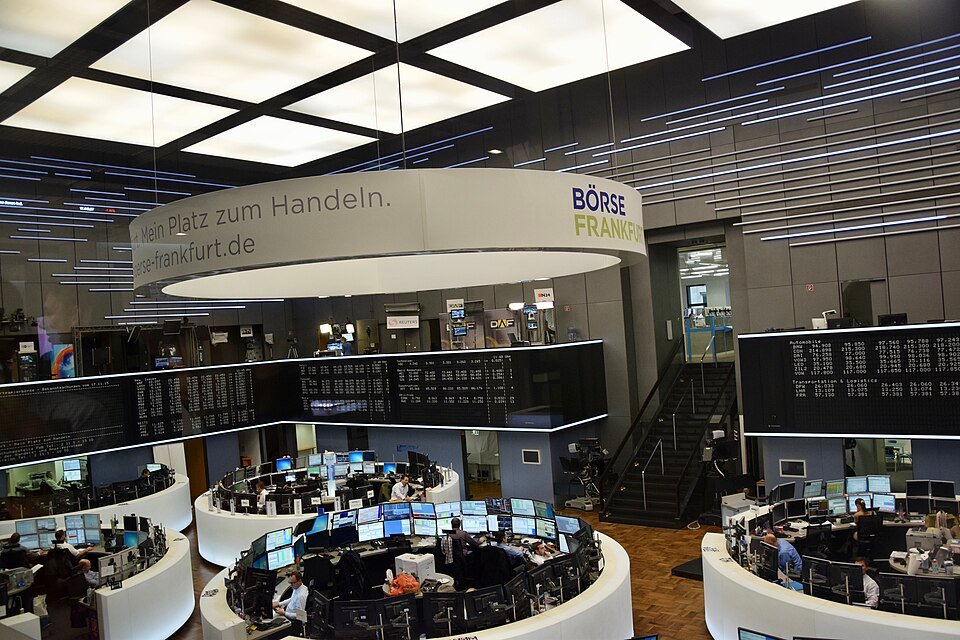
Artificial intelligence firm positioned for one of the biggest IPOs in history, with trading slated to begin Thursday Anthropic set the share price for its debut on the US stock market at $83 on Wednesday, positioning the artificial intelligence company for one of the biggest initial public offerings in history. Last week, the San Francisco-based company, founded in 2021, set its preliminary share price at $70 to $78.
With all shares counted, those prices put Anthropic’s initial public offering from $1.26tn to $1.41tn. With Anthropic setting its share price at $83, it could now surpass SpaceX.
⚡ Effects Interpreter
🌍World Economylow impact
What this means for you
- ▶Hedge funds and pension funds alike might adjust positions swiftly.
- ▶Algorithms often react to news like this before a human even reads it.
🏙️Local Economylow impact
What this means for you
- ▶Jobs and trade close to home might feel a soft knock-on effect.
- ▶The high street usually mirrors big-picture shifts, just a little down the road.
🏦Rates & Bankslow impact
What this means for you
- ▶Interest rates and mortgage bills are unlikely to jump straight away from this alone.
- ▶Financial markets sometimes overreact to rate speculation before banks even respond.
❤️Healthlow impact
What this means for you
- ▶Taking a break from the headlines can do more good than scrolling on.
- ▶Community wellbeing may dip a little while people wait for clarity.
💷Wealthmedium impact
What this means for you
- ▶Market wobbles like this tend to smooth over with time.
- ▶A diversified portfolio usually absorbs a jolt like this without much fuss.
🏠Housinglow impact
What this means for you
- ▶House prices and rents are unlikely to shift the moment this news breaks.
- ▶Home costs usually respond down the road, once the bigger picture settles.
📊 Country financial snapshot
United States
Source: IMF World Economic Outlook; each figure shows its year, and current-year values are IMF estimates. Policy rates and sovereign credit ratings are from the News Effects country dataset and show their own as-of date. Not investment advice.
🌍 Effects for your country
The U.S.'s central bank rate currently stands at 3.75%, so a global rates move like this could feed through to local borrowing costs. The U.S.'s economy is growing at 2.3% with inflation at 3.6%, the backdrop this story's effects play out against locally. Housing-market effects like this are usually felt most where mortgage rates track the U.S.'s own central bank rate closely. With the U.S.'s unemployment at 4.2%, personal-finance effects like this land on a labour market that is currently fairly stable. Health-system effects are harder to localise from economic indicators alone — the real impact in the U.S. depends more on local healthcare capacity than the figures above.
The UK's central bank rate currently stands at 3.75%, so a global rates move like this could feed through to local borrowing costs. The UK's economy is growing at 1.3% with inflation at 3.3%, the backdrop this story's effects play out against locally. Housing-market effects like this are usually felt most where mortgage rates track the UK's own central bank rate closely. With the UK's unemployment at 5.3%, personal-finance effects like this land on a labour market that is currently fairly stable. Health-system effects are harder to localise from economic indicators alone — the real impact in the UK depends more on local healthcare capacity than the figures above.
France's central bank rate currently stands at 2%, so a global rates move like this could feed through to local borrowing costs. France's economy is growing at 0.4% with inflation at 2.4%, the backdrop this story's effects play out against locally. Housing-market effects like this are usually felt most where mortgage rates track France's own central bank rate closely. With France's unemployment at 8.4%, personal-finance effects like this land on a labour market that is already under strain. Health-system effects are harder to localise from economic indicators alone — the real impact in France depends more on local healthcare capacity than the figures above.
Romania's central bank rate currently stands at 6.5%, so a global rates move like this could feed through to local borrowing costs. Romania's economy is growing at -0.5% with inflation at 8.2%, the backdrop this story's effects play out against locally. Housing-market effects like this are usually felt most where mortgage rates track Romania's own central bank rate closely. With Romania's unemployment at 6.5%, personal-finance effects like this land on a labour market that is currently fairly stable. Health-system effects are harder to localise from economic indicators alone — the real impact in Romania depends more on local healthcare capacity than the figures above.
The UAE's central bank rate currently stands at 3.65%, so a global rates move like this could feed through to local borrowing costs. The UAE's economy is growing at -3.9% with inflation at 4.5%, the backdrop this story's effects play out against locally. Housing-market effects like this are usually felt most where mortgage rates track the UAE's own central bank rate closely. Health-system effects are harder to localise from economic indicators alone — the real impact in the UAE depends more on local healthcare capacity than the figures above.