Anthropic’s historic stock market debut: key takeaways, and what comes next for the AI industry
Source: Guardian Econ ↗
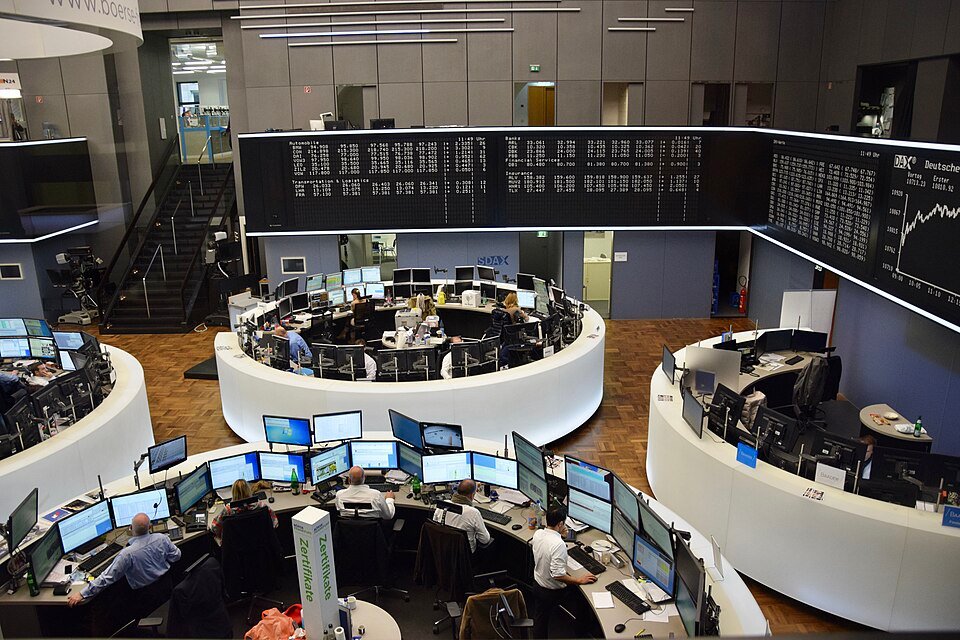
A record breaking IPO has raised billions for the AI frontier lab – but experts say the coming months could prove bumpy, as the industry faces a variety of challenges In the end, Anthropic’s much-anticipated IPO more than lived up to the hype.
Closing the day about 17% higher than its initial public offering price, Anthropic shares were trading at just over $97 when the market closed taking its valuation to roughly $1.7tn. That breakneck growth has left investors stunned; from fledgling start-up six years ago, Anthropic is now worth more than US stock market stalwarts Walmart, JP Morgan, Visa and ExxonMobil.
⚡ Effects Interpreter
🌍World Economylow impact
What this means for you
- ▶Manufacturing hubs overseas might adjust output if demand signals change.
- ▶Trade flows between continents might bend slightly around a story like this.
🏙️Local Economylow impact
What this means for you
- ▶Local shops that rely on imports might quietly reset their price tags.
- ▶Everyday affordability in your area might shift as the numbers filter down.
🏦Rates & Bankslow impact
What this means for you
- ▶Your bank is unlikely to act on this alone, but it will be watching.
- ▶Banks tend to wait and see before nudging the rates they offer.
❤️Healthhigh impact
What this means for you
- ▶Local surgeries and clinics might see a short-lived rise in enquiries.
- ▶Being kind to yourself matters just as much as staying informed.
💷Wealthmedium impact
What this means for you
- ▶A calm head usually serves savers better than a quick reaction.
- ▶It's a reasonable moment to check your investments are still on track.
🏠Housinglow impact
What this means for you
- ▶Mortgage shoppers could find deals shift only slightly in the short term.
- ▶Regional differences mean this may be felt unevenly across the property market.
🌍 Effects for your country
The U.S.'s central bank rate currently stands at 3.75%, so a global rates move like this could feed through to local borrowing costs. The U.S.'s economy is growing at 2.3% with inflation at 3.6%, the backdrop this story's effects play out against locally. Housing-market effects like this are usually felt most where mortgage rates track the U.S.'s own central bank rate closely. With the U.S.'s unemployment at 4.2%, personal-finance effects like this land on a labour market that is currently fairly stable. Health-system effects are harder to localise from economic indicators alone — the real impact in the U.S. depends more on local healthcare capacity than the figures above.
The UK's central bank rate currently stands at 3.75%, so a global rates move like this could feed through to local borrowing costs. The UK's economy is growing at 1.3% with inflation at 3.3%, the backdrop this story's effects play out against locally. Housing-market effects like this are usually felt most where mortgage rates track the UK's own central bank rate closely. With the UK's unemployment at 5.3%, personal-finance effects like this land on a labour market that is currently fairly stable. Health-system effects are harder to localise from economic indicators alone — the real impact in the UK depends more on local healthcare capacity than the figures above.
France's central bank rate currently stands at 2%, so a global rates move like this could feed through to local borrowing costs. France's economy is growing at 0.4% with inflation at 2.4%, the backdrop this story's effects play out against locally. Housing-market effects like this are usually felt most where mortgage rates track France's own central bank rate closely. With France's unemployment at 8.4%, personal-finance effects like this land on a labour market that is already under strain. Health-system effects are harder to localise from economic indicators alone — the real impact in France depends more on local healthcare capacity than the figures above.
Romania's central bank rate currently stands at 6.5%, so a global rates move like this could feed through to local borrowing costs. Romania's economy is growing at -0.5% with inflation at 8.2%, the backdrop this story's effects play out against locally. Housing-market effects like this are usually felt most where mortgage rates track Romania's own central bank rate closely. With Romania's unemployment at 6.5%, personal-finance effects like this land on a labour market that is currently fairly stable. Health-system effects are harder to localise from economic indicators alone — the real impact in Romania depends more on local healthcare capacity than the figures above.
The UAE's central bank rate currently stands at 3.65%, so a global rates move like this could feed through to local borrowing costs. The UAE's economy is growing at -3.9% with inflation at 4.5%, the backdrop this story's effects play out against locally. Housing-market effects like this are usually felt most where mortgage rates track the UAE's own central bank rate closely. Health-system effects are harder to localise from economic indicators alone — the real impact in the UAE depends more on local healthcare capacity than the figures above.