Asian tech stocks surge in wake of Jensen Huang’s return
Source: FT World ↗ (cross-verified by 3 outlets — full list below)
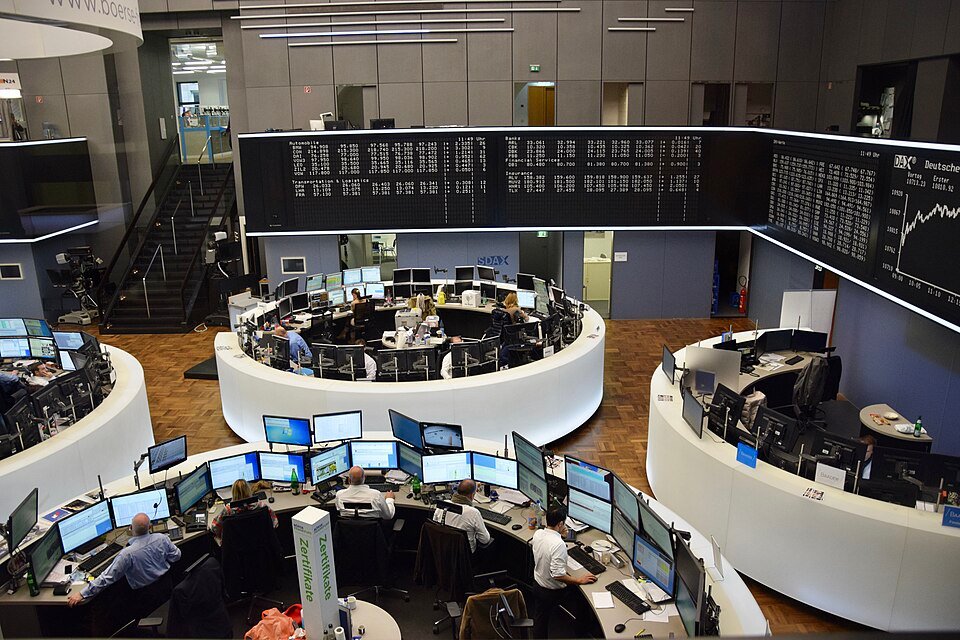
Nvidia chief executive’s reinstatement sent Wall Street shares higher. Jensen Huang’s return as CEO of Nvidia powered a massive bounce in the U.S.
stock market on Monday by helping to restore faith in the artificial-intelligence trade. Asian shares rallied as Jensen Huang’s return to lead Nvidia Corp.
revived enthusiasm for the artificial intelligence trade, helping the region’s major chipmakers rebound from last week’s rout.
⚡ Effects Interpreter
🌍World Economymedium impact
What this means for you
- ▶Policy signals like this usually shape boardroom decisions for months.
- ▶Diplomatic ties can shift subtly whenever politics takes a new turn.
🏙️Local Economylow impact
What this means for you
- ▶Small businesses nearby might tweak their prices in the weeks ahead.
- ▶Family budgets close to home might absorb a slight, slow-moving effect.
🏦Rates & Bankslow impact
What this means for you
- ▶Currencies can react fast to political news — the pound or dollar may move.
- ▶Currency swings triggered by politics can filter into borrowing costs further down the line.
❤️Healthmedium impact
What this means for you
- ▶Taking a break from the headlines can do more good than scrolling on.
- ▶It's easy to underestimate how much stories like this weigh on people.
💷Wealthlow impact
What this means for you
- ▶Short-term wobbles like this tend to even out given enough time.
- ▶A modest, well-diversified nest egg tends to absorb shocks like this quietly.
🏠Housinglow impact
What this means for you
- ▶First-time buyers watching the market closely may see little change in the short term.
- ▶Regional differences mean this may be felt unevenly across the property market.
📊 Country financial snapshot
United States
Source: IMF World Economic Outlook; each figure shows its year, and current-year values are IMF estimates. Policy rates and sovereign credit ratings are from the News Effects country dataset and show their own as-of date. Not investment advice.
🌍 Effects for your country
The U.S.'s central bank rate currently stands at 3.75%, so a global rates move like this could feed through to local borrowing costs. The U.S.'s economy is growing at 2.3% with inflation at 3.6%, the backdrop this story's effects play out against locally. Housing-market effects like this are usually felt most where mortgage rates track the U.S.'s own central bank rate closely. With the U.S.'s unemployment at 4.2%, personal-finance effects like this land on a labour market that is currently fairly stable. Health-system effects are harder to localise from economic indicators alone — the real impact in the U.S. depends more on local healthcare capacity than the figures above.
The UK's central bank rate currently stands at 3.75%, so a global rates move like this could feed through to local borrowing costs. The UK's economy is growing at 1.3% with inflation at 3.3%, the backdrop this story's effects play out against locally. Housing-market effects like this are usually felt most where mortgage rates track the UK's own central bank rate closely. With the UK's unemployment at 5.3%, personal-finance effects like this land on a labour market that is currently fairly stable. Health-system effects are harder to localise from economic indicators alone — the real impact in the UK depends more on local healthcare capacity than the figures above.
France's central bank rate currently stands at 2%, so a global rates move like this could feed through to local borrowing costs. France's economy is growing at 0.4% with inflation at 2.4%, the backdrop this story's effects play out against locally. Housing-market effects like this are usually felt most where mortgage rates track France's own central bank rate closely. With France's unemployment at 8.4%, personal-finance effects like this land on a labour market that is already under strain. Health-system effects are harder to localise from economic indicators alone — the real impact in France depends more on local healthcare capacity than the figures above.
Romania's central bank rate currently stands at 6.5%, so a global rates move like this could feed through to local borrowing costs. Romania's economy is growing at -0.5% with inflation at 8.2%, the backdrop this story's effects play out against locally. Housing-market effects like this are usually felt most where mortgage rates track Romania's own central bank rate closely. With Romania's unemployment at 6.5%, personal-finance effects like this land on a labour market that is currently fairly stable. Health-system effects are harder to localise from economic indicators alone — the real impact in Romania depends more on local healthcare capacity than the figures above.
The UAE's central bank rate currently stands at 3.65%, so a global rates move like this could feed through to local borrowing costs. The UAE's economy is growing at -3.9% with inflation at 4.5%, the backdrop this story's effects play out against locally. Housing-market effects like this are usually felt most where mortgage rates track the UAE's own central bank rate closely. Health-system effects are harder to localise from economic indicators alone — the real impact in the UAE depends more on local healthcare capacity than the figures above.