Capita shares plunge 70% as boss quits after civil service pensions failure
Source: BBC Politics ↗ (cross-verified by 2 outlets — full list below)
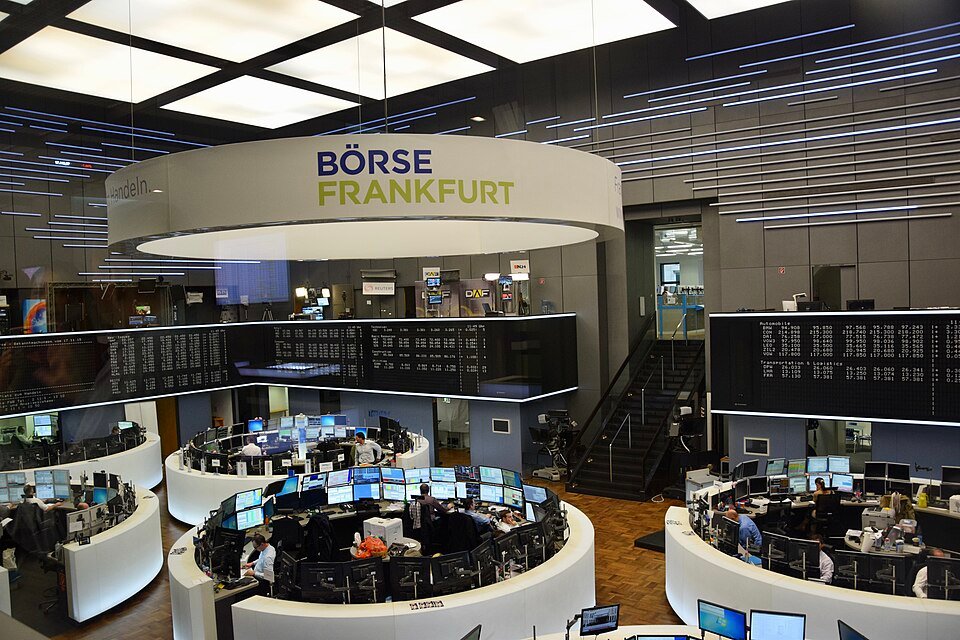
Capita’s chief executive Adolfo Hernandez resigned with immediate effect after the firm failed to deliver pension payments for the UK Civil Service pension scheme, which covers 1.7 million public‑sector workers. The company, which took over the scheme’s administration on 1 December, has seen its shares plunge about 70 % and has cut its profit forecast, citing the pension‑scheme problems and the loss of two other major contracts. Hernandez will be succeeded by chief financial officer Pablo Andres, and Capita plans to raise £190 million in equity in the first half of next year to stabilise its finances.
The pension‑scheme backlog, described by retirees as “hell”, has caused severe hardship, including delayed bereavement payments, prompting criticism from a Cabinet Office minister and a probe by the National Audit Office. The Public Accounts Committee, chaired by Sir Geoffrey Clifton‑Brown, said it will continue to pursue the issue and hopes the new acting chief executive can resolve the matter. Capita now expects its 2027 underlying operating profit to be hit by £85‑£95 million, up from an earlier £40 million reduction, due to the recovery plan’s extra costs.
⚡ Effects Interpreter
🌍World Economymedium impact
What this means for you
- ▶Investors watch politics closely for the signals it sends.
- ▶Policy turns can send quiet ripples through the wider economy.
🏙️Local Economylow impact
What this means for you
- ▶High street footfall and spending can shift subtly after this kind of news.
- ▶The knock-on for local trade is usually gradual rather than sudden.
🏦Rates & Banksmedium impact
What this means for you
- ▶Rate-setters tend to wait for calm before acting.
- ▶Currency swings triggered by politics can filter into borrowing costs down the road.
❤️Healthmedium impact
What this means for you
- ▶It's easy to underestimate how much stories like this weigh on people.
- ▶Unsettling news can weigh on sleep and mood, so peace of mind matters.
💷Wealthmedium impact
What this means for you
- ▶Savings and portfolios can see short-lived ups and downs after a story like this.
- ▶Savers with a clear plan tend to feel less rattled by a story like this.
🏠Housinglow impact
What this means for you
- ▶Asking prices in the area may firm up or soften only gradually.
- ▶Local surveyors typically note that sentiment shifts before prices actually do.
📊 Country financial snapshot
United Kingdom
Source: IMF World Economic Outlook; each figure shows its year, and current-year values are IMF estimates. Policy rates and sovereign credit ratings are from the News Effects country dataset and show their own as-of date. Not investment advice.
🌍 Effects for your country
The U.S.'s central bank rate currently stands at 3.75%, so a global rates move like this could feed through to local borrowing costs. The U.S.'s economy is growing at 2.3% with inflation at 3.6%, the backdrop this story's effects play out against locally. Housing-market effects like this are usually felt most where mortgage rates track the U.S.'s own central bank rate closely. With the U.S.'s unemployment at 4.2%, personal-finance effects like this land on a labour market that is currently fairly stable. Health-system effects are harder to localise from economic indicators alone — the real impact in the U.S. depends more on local healthcare capacity than the figures above.
The UK's central bank rate currently stands at 3.75%, so a global rates move like this could feed through to local borrowing costs. The UK's economy is growing at 1.3% with inflation at 3.3%, the backdrop this story's effects play out against locally. Housing-market effects like this are usually felt most where mortgage rates track the UK's own central bank rate closely. With the UK's unemployment at 5.3%, personal-finance effects like this land on a labour market that is currently fairly stable. Health-system effects are harder to localise from economic indicators alone — the real impact in the UK depends more on local healthcare capacity than the figures above.
France's central bank rate currently stands at 2%, so a global rates move like this could feed through to local borrowing costs. France's economy is growing at 0.4% with inflation at 2.4%, the backdrop this story's effects play out against locally. Housing-market effects like this are usually felt most where mortgage rates track France's own central bank rate closely. With France's unemployment at 8.4%, personal-finance effects like this land on a labour market that is already under strain. Health-system effects are harder to localise from economic indicators alone — the real impact in France depends more on local healthcare capacity than the figures above.
Romania's central bank rate currently stands at 6.5%, so a global rates move like this could feed through to local borrowing costs. Romania's economy is growing at -0.5% with inflation at 8.2%, the backdrop this story's effects play out against locally. Housing-market effects like this are usually felt most where mortgage rates track Romania's own central bank rate closely. With Romania's unemployment at 6.5%, personal-finance effects like this land on a labour market that is currently fairly stable. Health-system effects are harder to localise from economic indicators alone — the real impact in Romania depends more on local healthcare capacity than the figures above.
The UAE's central bank rate currently stands at 3.65%, so a global rates move like this could feed through to local borrowing costs. The UAE's economy is growing at -3.9% with inflation at 4.5%, the backdrop this story's effects play out against locally. Housing-market effects like this are usually felt most where mortgage rates track the UAE's own central bank rate closely. Health-system effects are harder to localise from economic indicators alone — the real impact in the UAE depends more on local healthcare capacity than the figures above.