‘Cartwheels’ in Canada after Trump punished in US midterm elections
Source: FT Economics ↗ (cross-verified by 2 outlets — full list below)
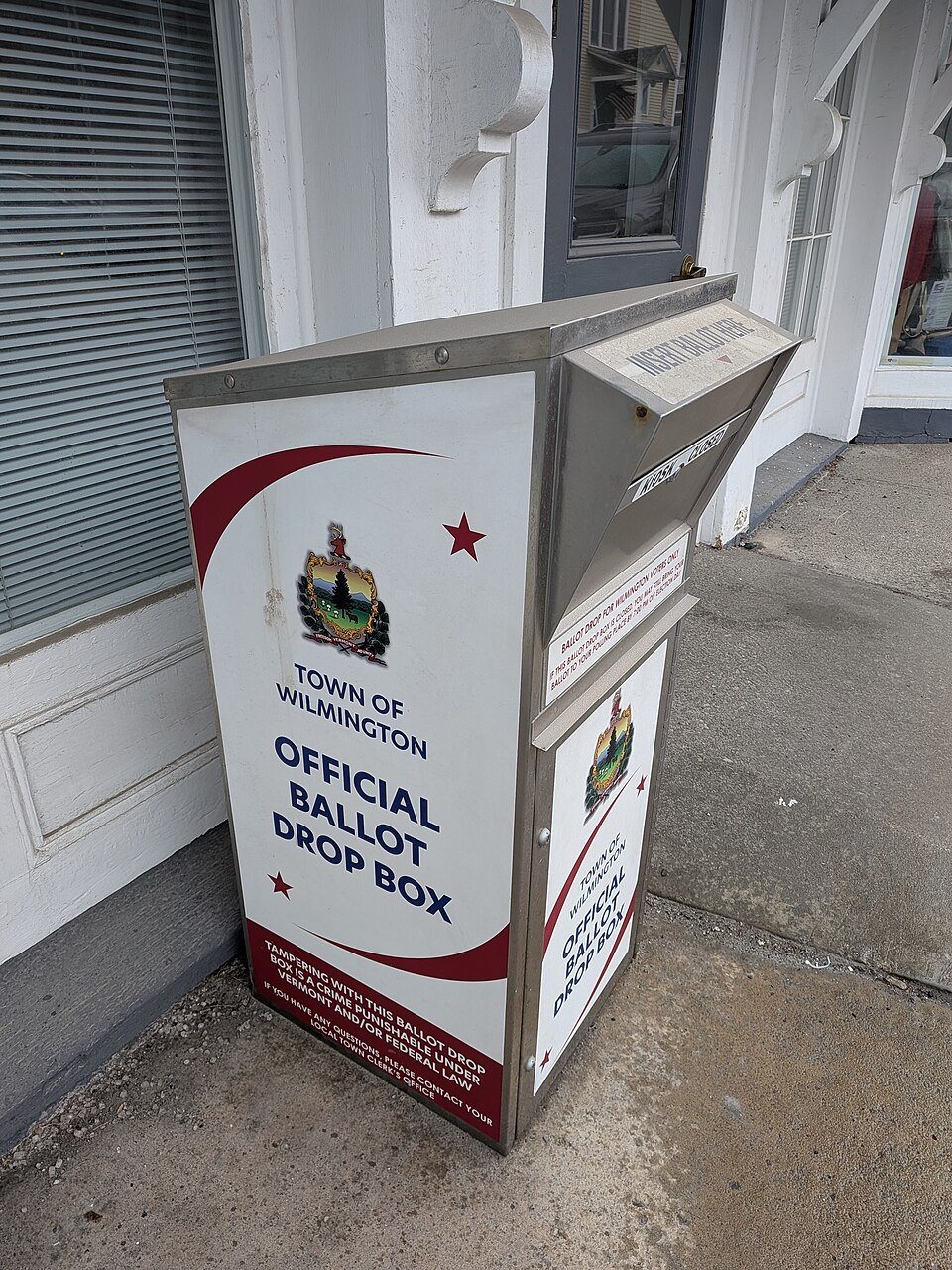
Democrats seized control of both the U.S. House of Representatives and the Senate in the midterm elections, creating a “blue wave” that contrasts sharply with Donald Trump’s 2020 presidential victory and leaves the nation with a divided government as Trump remains president. The shift marks the first time in decades that Congress is fully under Democratic control while the White House stays Republican, a configuration that limits the ability to pass sweeping climate or energy legislation because a two‑thirds Democratic majority would be required to override any presidential veto.
The new congressional makeup could still influence energy policy, particularly at state and local levels, as Democrats now dominate Pennsylvania’s local government and have taken the Georgia Public Service Commission for the first time in 30 years, positioning them to promote renewable projects and stricter emissions standards. Meanwhile, a bipartisan Senate bill—the Bipartisan American Affordability and Jobs Act—aims to streamline permitting for new energy projects and is slated for a vote on November 9, though its passage will depend on a handful of Democrats joining Republicans and ultimately on Trump’s signature. Democrats also plan to scrutinize Trump‑appointed agency heads, with leaders signaling investigations into EPA commissioner Lee Zeldin over staffing and investment cuts.
Beyond federal prospects, the elections signal a strong local backlash against data‑center expansion, as Ballotpedia tracked 41 ballot measures on the issue and voters overwhelmingly voted to restrict such development; Texas governor‑candidate Gina Hinojosa, now elected, campaigned on pausing data‑center construction, a move that could reshape the state’s grid and the broader industry. While large grid‑scale batteries continue to grow, smaller residential systems lag, and scientists are exploring new technologies—from fire‑spotting satellites to AI tools—to protect permafrost and reduce power losses, underscoring that despite limited immediate federal action, climate and energy dynamics remain a focal point of policy and innovation.
⚡ Effects Interpreter
🌍World Economylow impact
What this means for you
- ▶Manufacturing hubs overseas might adjust output if demand signals change.
- ▶Trade negotiators might find this shapes the tone of upcoming talks.
🏙️Local Economylow impact
What this means for you
- ▶Your cost of living may feel a soft nudge either way.
- ▶Local shops that rely on imports may quietly reset their price tags.
🏦Rates & Bankslow impact
What this means for you
- ▶Borrowing costs could hold steady for now, but they can turn on fresh news.
- ▶Your bank is unlikely to act on this alone, but it will be watching.
❤️Healthmedium impact
What this means for you
- ▶A little perspective usually helps once the initial shock fades.
- ▶Public health messaging can go a long way toward easing collective worry.
💷Wealthmedium impact
What this means for you
- ▶Checking in on your finances now and then is good practice regardless of headlines.
- ▶A calm head usually serves savers better than a brief reaction.
🏠Housinglow impact
What this means for you
- ▶Renters could see costs drift a little as landlords weigh their own bills.
- ▶Any effect on bricks and mortar is likely to be slow and modest.
🌍 Effects for your country
The U.S.'s central bank rate currently stands at 3.75%, so a global rates move like this could feed through to local borrowing costs. The U.S.'s economy is growing at 2.3% with inflation at 3.2%, the backdrop this story's effects play out against locally. Housing-market effects like this are usually felt most where mortgage rates track the U.S.'s own central bank rate closely. With the U.S.'s unemployment at 4.4%, personal-finance effects like this land on a labour market that is currently fairly stable. Health-system effects are harder to localise from economic indicators alone — the real impact in the U.S. depends more on local healthcare capacity than the figures above.
The UK's central bank rate currently stands at 3.75%, so a global rates move like this could feed through to local borrowing costs. The UK's economy is growing at 0.8% with inflation at 3.2%, the backdrop this story's effects play out against locally. Housing-market effects like this are usually felt most where mortgage rates track the UK's own central bank rate closely. With the UK's unemployment at 5.6%, personal-finance effects like this land on a labour market that is currently fairly stable. Health-system effects are harder to localise from economic indicators alone — the real impact in the UK depends more on local healthcare capacity than the figures above.
France's central bank rate currently stands at 2%, so a global rates move like this could feed through to local borrowing costs. France's economy is growing at 0.9% with inflation at 1.8%, the backdrop this story's effects play out against locally. Housing-market effects like this are usually felt most where mortgage rates track France's own central bank rate closely. With France's unemployment at 7.9%, personal-finance effects like this land on a labour market that is already under strain. Health-system effects are harder to localise from economic indicators alone — the real impact in France depends more on local healthcare capacity than the figures above.
Romania's central bank rate currently stands at 6.5%, so a global rates move like this could feed through to local borrowing costs. Romania's economy is growing at 0.7% with inflation at 7.8%, the backdrop this story's effects play out against locally. Housing-market effects like this are usually felt most where mortgage rates track Romania's own central bank rate closely. With Romania's unemployment at 6%, personal-finance effects like this land on a labour market that is currently fairly stable. Health-system effects are harder to localise from economic indicators alone — the real impact in Romania depends more on local healthcare capacity than the figures above.
The UAE's central bank rate currently stands at 3.65%, so a global rates move like this could feed through to local borrowing costs. The UAE's economy is growing at 3.1% with inflation at 2.5%, the backdrop this story's effects play out against locally. Housing-market effects like this are usually felt most where mortgage rates track the UAE's own central bank rate closely. Health-system effects are harder to localise from economic indicators alone — the real impact in the UAE depends more on local healthcare capacity than the figures above.