European leaders welcome Democrats' US midterms election win
Source: France 24 ↗ (cross-verified by 4 outlets — full list below)
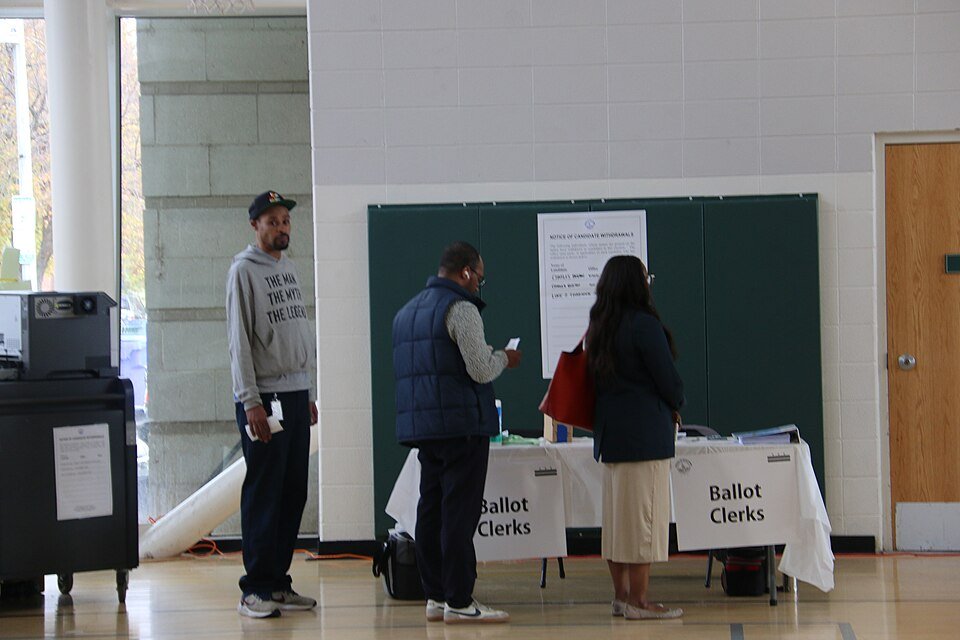
European leaders expressed optimism for a diplomatic reset with the United States on Wednesday, November 4, after American voters handed President Donald Trump and his Republican Party a decisive defeat in the midterm elections, delivering a sweeping victory to Democratic candidates. The outcome, described as a “huge midterm election defeat” for Trump, was celebrated by officials in Europe as an opportunity to recalibrate transatlantic relations that have been strained under the current administration.
The midterms produced a wave of historic firsts, with minorities winning key races and the Democratic Party exceeding expectations, while Republican redistricting efforts appeared to have backfired. Analysts noted that the results could reshape U.S. policy on issues ranging from trade to security, offering European governments a more predictable partner in Washington. The defeat also raised questions about how Trump will navigate a Congress now dominated by Democrats, with speculation about potential gridlock, impeachment proceedings, and succession challenges.
In the wake of the election, European officials signaled that the new congressional balance might facilitate renewed cooperation on shared priorities, such as NATO commitments, climate initiatives, and economic ties. The shift also prompted commentary from Iran’s deputy parliament speaker, who reacted to Trump’s setback, underscoring the broader geopolitical ripple effects of the U.S. vote.
⚡ Effects Interpreter
🌍World Economylow impact
What this means for you
- ▶Confidence among international firms could wobble until the picture clears.
- ▶Currency traders elsewhere might start pricing in the fallout within hours.
🏙️Local Economylow impact
What this means for you
- ▶The cost of a weekly food shop can creep up in the background.
- ▶Prices at your local shops may feel a mild, indirect squeeze from this.
🏦Rates & Bankslow impact
What this means for you
- ▶Savings rates can lag behind this kind of news by weeks, not days.
- ▶A modest drift in borrowing costs is more plausible than a sharp jump.
❤️Healthmedium impact
What this means for you
- ▶Public health messaging can go a long way toward easing collective worry.
- ▶Keeping a normal routine usually helps steady the nerves during unsettling news.
💷Wealthlow impact
What this means for you
- ▶It may be worth a quick look at your ISA or pension in the coming days.
- ▶Portfolios built for the long haul rarely need a rethink over one headline.
🏠Housinglow impact
What this means for you
- ▶Anyone selling soon might want a fresh valuation once the dust settles.
- ▶A cooling or warming market usually takes months to fully show up in prices.
🌍 Effects for your country
The U.S.'s central bank rate currently stands at 3.75%, so a global rates move like this could feed through to local borrowing costs. The U.S.'s economy is growing at 2.3% with inflation at 3.2%, the backdrop this story's effects play out against locally. Housing-market effects like this are usually felt most where mortgage rates track the U.S.'s own central bank rate closely. With the U.S.'s unemployment at 4.4%, personal-finance effects like this land on a labour market that is currently fairly stable. Health-system effects are harder to localise from economic indicators alone — the real impact in the U.S. depends more on local healthcare capacity than the figures above.
The UK's central bank rate currently stands at 3.75%, so a global rates move like this could feed through to local borrowing costs. The UK's economy is growing at 0.8% with inflation at 3.2%, the backdrop this story's effects play out against locally. Housing-market effects like this are usually felt most where mortgage rates track the UK's own central bank rate closely. With the UK's unemployment at 5.6%, personal-finance effects like this land on a labour market that is currently fairly stable. Health-system effects are harder to localise from economic indicators alone — the real impact in the UK depends more on local healthcare capacity than the figures above.
France's central bank rate currently stands at 2%, so a global rates move like this could feed through to local borrowing costs. France's economy is growing at 0.9% with inflation at 1.8%, the backdrop this story's effects play out against locally. Housing-market effects like this are usually felt most where mortgage rates track France's own central bank rate closely. With France's unemployment at 7.9%, personal-finance effects like this land on a labour market that is already under strain. Health-system effects are harder to localise from economic indicators alone — the real impact in France depends more on local healthcare capacity than the figures above.
Romania's central bank rate currently stands at 6.5%, so a global rates move like this could feed through to local borrowing costs. Romania's economy is growing at 0.7% with inflation at 7.8%, the backdrop this story's effects play out against locally. Housing-market effects like this are usually felt most where mortgage rates track Romania's own central bank rate closely. With Romania's unemployment at 6%, personal-finance effects like this land on a labour market that is currently fairly stable. Health-system effects are harder to localise from economic indicators alone — the real impact in Romania depends more on local healthcare capacity than the figures above.
The UAE's central bank rate currently stands at 3.65%, so a global rates move like this could feed through to local borrowing costs. The UAE's economy is growing at 3.1% with inflation at 2.5%, the backdrop this story's effects play out against locally. Housing-market effects like this are usually felt most where mortgage rates track the UAE's own central bank rate closely. Health-system effects are harder to localise from economic indicators alone — the real impact in the UAE depends more on local healthcare capacity than the figures above.