How to Manage Sudden Wealth: An Expert Guide
Source: Kiplinger ↗
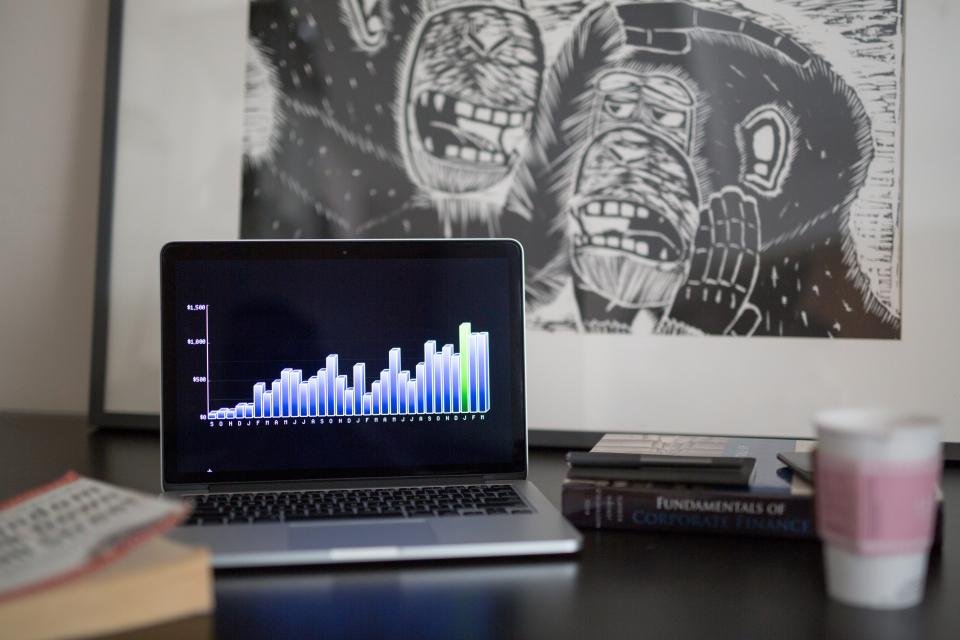
Managing sudden wealth requires emotional awareness, deliberate pauses before decisions, and clear boundaries to guide how the money is allocated to priorities.
The approach emphasizes that individuals should first attend to their feelings, take time to reflect before acting, and set limits that shape the direction of their newfound resources.
⚡ Effects Interpreter
🌍World Economymedium impact
What this means for you
- ▶World markets have a habit of reading between the lines of stories like this.
- ▶The ripples can spread across borders, nudging growth forecasts here and there.
🏙️Local Economylow impact
What this means for you
- ▶The ripple for ordinary households tends to be slight and slow.
- ▶Households that invest might notice this sooner than most.
🏦Rates & Banksmedium impact
What this means for you
- ▶Your loan or mortgage rate is more likely to drift than to lurch here.
- ▶Rate decisions tend to follow data, not headlines, so patience is the norm.
❤️Healthmedium impact
What this means for you
- ▶Health anxieties triggered by news like this usually ease once facts replace speculation.
- ▶Keeping a normal routine typically helps steady the nerves during unsettling news.
💷Wealthmedium impact
What this means for you
- ▶Patient savers often benefit most from simply staying the course.
- ▶Careful savers can usually turn this to their advantage over time.
🏠Housingmedium impact
What this means for you
- ▶Home costs usually respond further down the line, once the bigger picture settles.
- ▶A patient seller usually fares better than one rushing to react to headlines.
🌍 Effects for your country
The U.S.'s central bank rate currently stands at 3.75%, so a global rates move like this could feed through to local borrowing costs. The U.S.'s economy is growing at 2.3% with inflation at 3.6%, the backdrop this story's effects play out against locally. Housing-market effects like this are usually felt most where mortgage rates track the U.S.'s own central bank rate closely. With the U.S.'s unemployment at 4.2%, personal-finance effects like this land on a labour market that is currently fairly stable. Health-system effects are harder to localise from economic indicators alone — the real impact in the U.S. depends more on local healthcare capacity than the figures above.
The UK's central bank rate currently stands at 3.75%, so a global rates move like this could feed through to local borrowing costs. The UK's economy is growing at 1.3% with inflation at 3.3%, the backdrop this story's effects play out against locally. Housing-market effects like this are usually felt most where mortgage rates track the UK's own central bank rate closely. With the UK's unemployment at 5.3%, personal-finance effects like this land on a labour market that is currently fairly stable. Health-system effects are harder to localise from economic indicators alone — the real impact in the UK depends more on local healthcare capacity than the figures above.
France's central bank rate currently stands at 2%, so a global rates move like this could feed through to local borrowing costs. France's economy is growing at 0.4% with inflation at 2.4%, the backdrop this story's effects play out against locally. Housing-market effects like this are usually felt most where mortgage rates track France's own central bank rate closely. With France's unemployment at 8.4%, personal-finance effects like this land on a labour market that is already under strain. Health-system effects are harder to localise from economic indicators alone — the real impact in France depends more on local healthcare capacity than the figures above.
Romania's central bank rate currently stands at 6.5%, so a global rates move like this could feed through to local borrowing costs. Romania's economy is growing at -0.5% with inflation at 8.2%, the backdrop this story's effects play out against locally. Housing-market effects like this are usually felt most where mortgage rates track Romania's own central bank rate closely. With Romania's unemployment at 6.5%, personal-finance effects like this land on a labour market that is currently fairly stable. Health-system effects are harder to localise from economic indicators alone — the real impact in Romania depends more on local healthcare capacity than the figures above.
The UAE's central bank rate currently stands at 3.65%, so a global rates move like this could feed through to local borrowing costs. The UAE's economy is growing at -3.9% with inflation at 4.5%, the backdrop this story's effects play out against locally. Housing-market effects like this are usually felt most where mortgage rates track the UAE's own central bank rate closely. Health-system effects are harder to localise from economic indicators alone — the real impact in the UAE depends more on local healthcare capacity than the figures above.