Lack of early border controls made UK ‘extremely vulnerable’ to Covid, inquiry finds
Source: Guardian Health ↗
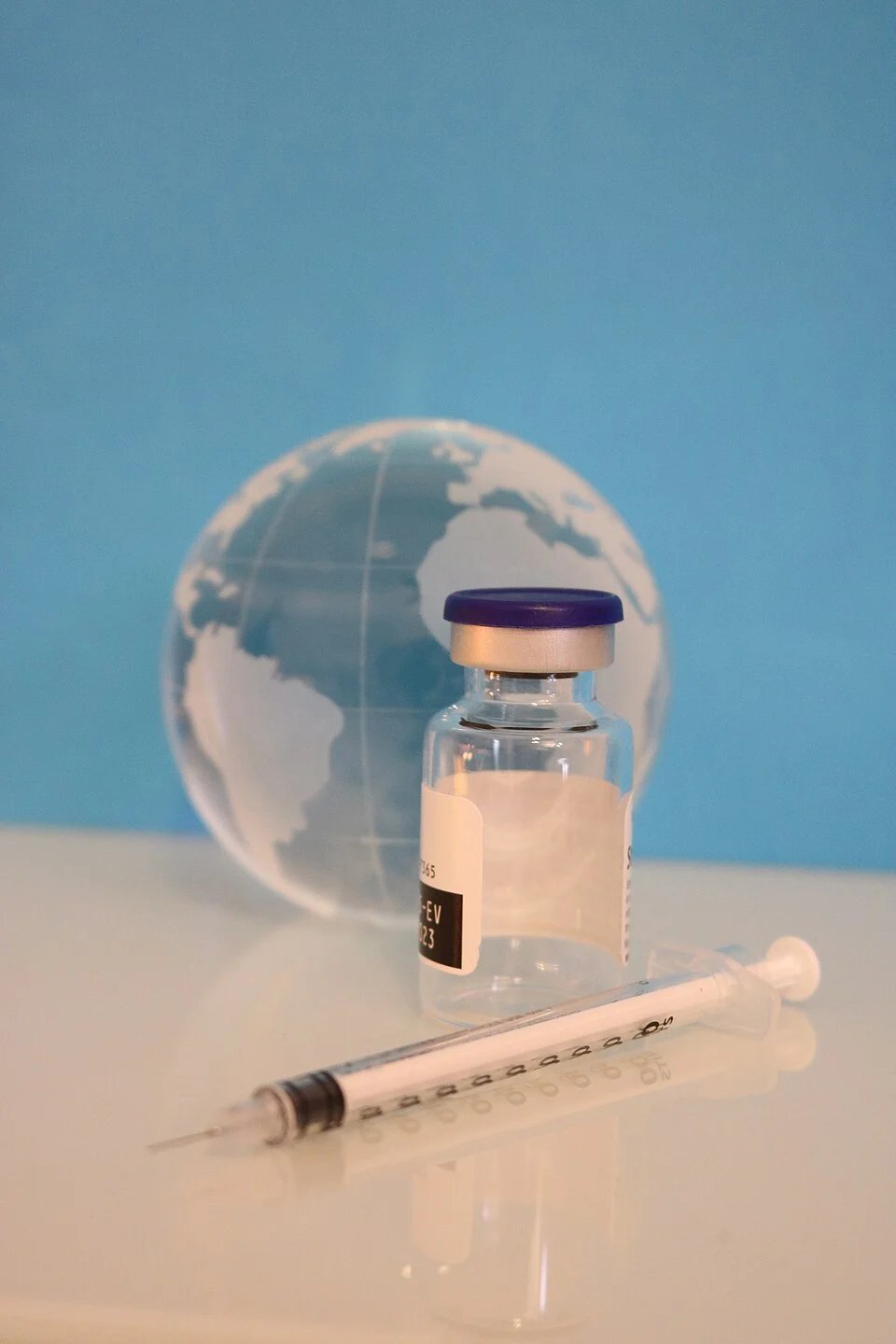
Latest report also says test-and-trace failures allowed virus to spread quickly and unchecked The lack of international border controls at the start of the Covid-19 pandemic left the UK in an “extremely vulnerable position”, an inquiry has concluded.
Hallett also criticised the lax international border controls at the start of the pandemic, saying they had left the nation vulnerable for months. The report said that by April 2020, 93% of countries had put in measures such as flight suspensions, border controls and travel restrictions, but the UK government was only asking travellers from high-risk areas, including Wuhan in China, where the virus originated, to self-isolate.
⚡ Effects Interpreter
🌍World Economylow impact
What this means for you
- ▶Overseas suppliers may gradually rethink their pricing after news like this.
- ▶A story like this rarely stays local for long in a connected economy.
🏙️Local Economylow impact
What this means for you
- ▶Corner shops and cafes rarely feel this straight away, but they do feel it.
- ▶Your weekly shop may get a touch dearer, or cheaper, further down the road.
🏦Rates & Bankslow impact
What this means for you
- ▶Your bank is unlikely to act on this alone, but it will be watching.
- ▶The next rate-setting meeting is a more likely trigger than this news alone.
❤️Healthmedium impact
What this means for you
- ▶Trusted medical advice usually beats speculation when health news breaks.
- ▶It's worth checking official advice before acting on anything alarming.
💷Wealthhigh impact
What this means for you
- ▶Sick pay and benefits are worth understanding before you need them.
- ▶A modest emergency fund can cushion any health-related costs.
🏠Housinglow impact
What this means for you
- ▶Asking prices in the area may firm up or soften only gradually.
- ▶Regional differences mean this may be felt unevenly across the property market.
📊 Country financial snapshot
United Kingdom
Source: IMF World Economic Outlook; each figure shows its year, and current-year values are IMF estimates. Policy rates and sovereign credit ratings are from the News Effects country dataset and show their own as-of date. Not investment advice.
🌍 Effects for your country
The U.S.'s central bank rate currently stands at 3.75%, so a global rates move like this could feed through to local borrowing costs. The U.S.'s economy is growing at 2.3% with inflation at 3.6%, the backdrop this story's effects play out against locally. Housing-market effects like this are usually felt most where mortgage rates track the U.S.'s own central bank rate closely. With the U.S.'s unemployment at 4.2%, personal-finance effects like this land on a labour market that is currently fairly stable. Health-system effects are harder to localise from economic indicators alone — the real impact in the U.S. depends more on local healthcare capacity than the figures above.
The UK's central bank rate currently stands at 3.75%, so a global rates move like this could feed through to local borrowing costs. The UK's economy is growing at 1.3% with inflation at 3.3%, the backdrop this story's effects play out against locally. Housing-market effects like this are usually felt most where mortgage rates track the UK's own central bank rate closely. With the UK's unemployment at 5.3%, personal-finance effects like this land on a labour market that is currently fairly stable. Health-system effects are harder to localise from economic indicators alone — the real impact in the UK depends more on local healthcare capacity than the figures above.
France's central bank rate currently stands at 2%, so a global rates move like this could feed through to local borrowing costs. France's economy is growing at 0.4% with inflation at 2.4%, the backdrop this story's effects play out against locally. Housing-market effects like this are usually felt most where mortgage rates track France's own central bank rate closely. With France's unemployment at 8.4%, personal-finance effects like this land on a labour market that is already under strain. Health-system effects are harder to localise from economic indicators alone — the real impact in France depends more on local healthcare capacity than the figures above.
Romania's central bank rate currently stands at 6.5%, so a global rates move like this could feed through to local borrowing costs. Romania's economy is growing at -0.5% with inflation at 8.2%, the backdrop this story's effects play out against locally. Housing-market effects like this are usually felt most where mortgage rates track Romania's own central bank rate closely. With Romania's unemployment at 6.5%, personal-finance effects like this land on a labour market that is currently fairly stable. Health-system effects are harder to localise from economic indicators alone — the real impact in Romania depends more on local healthcare capacity than the figures above.
The UAE's central bank rate currently stands at 3.65%, so a global rates move like this could feed through to local borrowing costs. The UAE's economy is growing at -3.9% with inflation at 4.5%, the backdrop this story's effects play out against locally. Housing-market effects like this are usually felt most where mortgage rates track the UAE's own central bank rate closely. Health-system effects are harder to localise from economic indicators alone — the real impact in the UAE depends more on local healthcare capacity than the figures above.