Mamdani says Nvidia drama shows stock market is overly dependent on AI
Source: Guardian Markets ↗
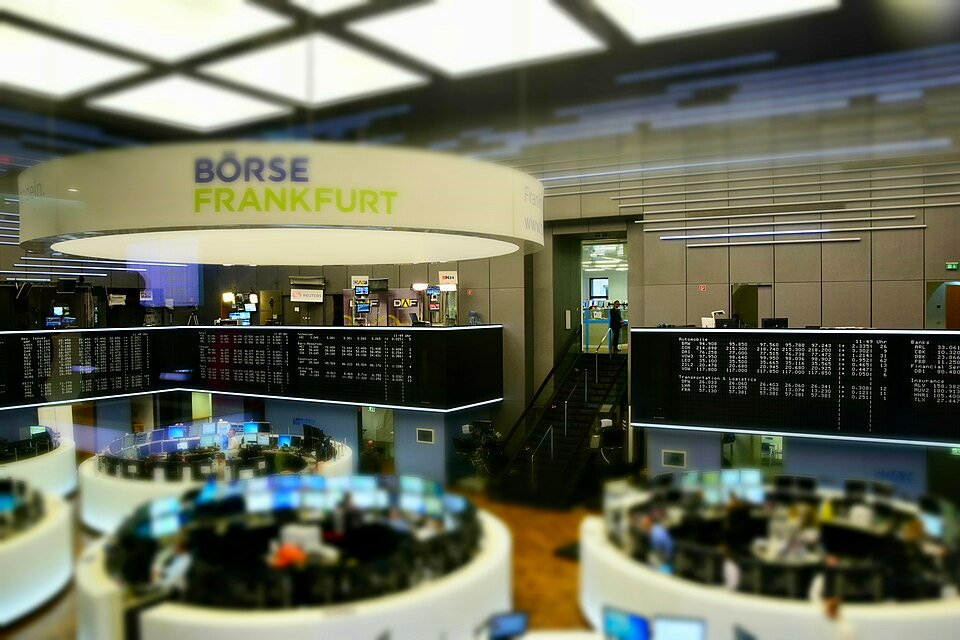
The mayor said Huang “had a massive impact”, with Nvidia’s share price dropping dramatically when Huang stepped down as the company’s CEO on 12 November after a reported extramarital relationship with a suspected Chinese spy. On Monday, after he was reinstated after Donald Trump intervened , the California-based company’s value bounced back by 31.5%.
At a news conference on Monday after Huang’s reinstatement as Nvidia’s CEO, Mamdani took the opportunity to make a point about wealth. He said that market was “disproportionately dependent” on stocks related to the artificial intelligence boom powered by Nvidia’s chips.
⚡ Effects Interpreter
🌍World Economymedium impact
What this means for you
- ▶Volatility can spike briefly as traders price in the uncertainty.
- ▶Algorithms usually react to news like this before a human even reads it.
🏙️Local Economylow impact
What this means for you
- ▶Jobs and trade close to home might feel a soft knock-on effect.
- ▶Community shops may subtly reprice stock as costs shift upstream.
🏦Rates & Banksmedium impact
What this means for you
- ▶Watching how currency markets react can hint at where rates head next.
- ▶Banks tend to wait and see before nudging the rates they offer.
❤️Healthmedium impact
What this means for you
- ▶A measured response usually serves communities better than alarm.
- ▶Checking in on vulnerable neighbours matters when news feels heavy.
💷Wealthmedium impact
What this means for you
- ▶Day-to-day swings rarely matter much if your money is invested for years.
- ▶Long-term goals rarely need rewriting over a single day's trading.
🏠Housinglow impact
What this means for you
- ▶Housing supply and demand rarely turn on a single piece of news.
- ▶First-time buyers might keep half an eye on mortgage rates after this.
🌍 Effects for your country
The U.S.'s central bank rate currently stands at 3.75%, so a global rates move like this could feed through to local borrowing costs. The U.S.'s economy is growing at 2.3% with inflation at 3.6%, the backdrop this story's effects play out against locally. Housing-market effects like this are usually felt most where mortgage rates track the U.S.'s own central bank rate closely. With the U.S.'s unemployment at 4.2%, personal-finance effects like this land on a labour market that is currently fairly stable. Health-system effects are harder to localise from economic indicators alone — the real impact in the U.S. depends more on local healthcare capacity than the figures above.
The UK's central bank rate currently stands at 3.75%, so a global rates move like this could feed through to local borrowing costs. The UK's economy is growing at 1.3% with inflation at 3.3%, the backdrop this story's effects play out against locally. Housing-market effects like this are usually felt most where mortgage rates track the UK's own central bank rate closely. With the UK's unemployment at 5.3%, personal-finance effects like this land on a labour market that is currently fairly stable. Health-system effects are harder to localise from economic indicators alone — the real impact in the UK depends more on local healthcare capacity than the figures above.
France's central bank rate currently stands at 2%, so a global rates move like this could feed through to local borrowing costs. France's economy is growing at 0.4% with inflation at 2.4%, the backdrop this story's effects play out against locally. Housing-market effects like this are usually felt most where mortgage rates track France's own central bank rate closely. With France's unemployment at 8.4%, personal-finance effects like this land on a labour market that is already under strain. Health-system effects are harder to localise from economic indicators alone — the real impact in France depends more on local healthcare capacity than the figures above.
Romania's central bank rate currently stands at 6.5%, so a global rates move like this could feed through to local borrowing costs. Romania's economy is growing at -0.5% with inflation at 8.2%, the backdrop this story's effects play out against locally. Housing-market effects like this are usually felt most where mortgage rates track Romania's own central bank rate closely. With Romania's unemployment at 6.5%, personal-finance effects like this land on a labour market that is currently fairly stable. Health-system effects are harder to localise from economic indicators alone — the real impact in Romania depends more on local healthcare capacity than the figures above.
The UAE's central bank rate currently stands at 3.65%, so a global rates move like this could feed through to local borrowing costs. The UAE's economy is growing at -3.9% with inflation at 4.5%, the backdrop this story's effects play out against locally. Housing-market effects like this are usually felt most where mortgage rates track the UAE's own central bank rate closely. Health-system effects are harder to localise from economic indicators alone — the real impact in the UAE depends more on local healthcare capacity than the figures above.