Midterms 2026: Democrats win control of House and Senate as Republican strongholds fall
Source: France 24 ↗ (cross-verified by 5 outlets — full list below)
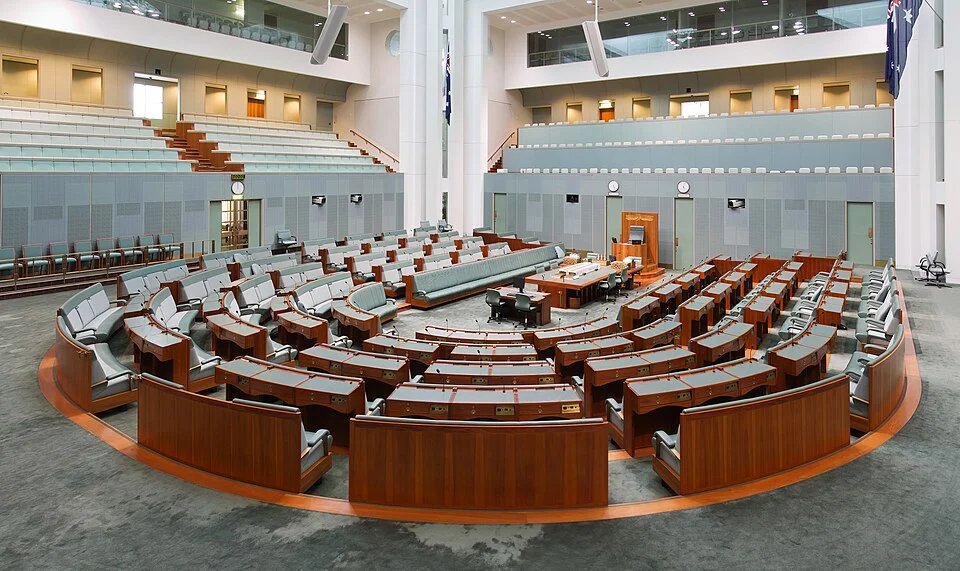
Democrats seized control of both the U.S. House of Representatives and the Senate in the 2026 midterm elections, delivering a decisive rebuke of Republican dominance and President Donald Trump’s agenda. House Minority Leader Hakeem Jeffries, poised to become speaker, promised to pursue corruption investigations, while Democrat Abdul El‑Sayed won a historic Senate seat in Michigan, becoming the first Muslim elected to the upper chamber. In Georgia, incumbent Senator Jon Ossoff secured a second term by defeating Republican Mike Collins, reinforcing Democratic strength in a key battleground. The victories extended deep into traditionally Republican strongholds, signaling a sweeping repudiation of the GOP’s policies on living costs, tariffs, and the war‑related fuel price surge.
The election outcomes reflect widespread voter anger over economic pressures and Trump’s foreign‑policy choices, particularly the war against Iran that has driven fuel prices higher. An AP voter poll indicated that many voters blamed Trump’s administration for the nation’s high costs and sought greater congressional checks on his power. Iran’s chief negotiator Mohammad Bagher Ghalibaf interpreted the results as a “NO TO WAR” mandate, while Trump attempted to deflect responsibility in a Fox News interview, crediting Democratic campaign efforts and blaming GOP candidates for their losses. Meanwhile, China’s foreign ministry, through spokesperson Mao Ning, emphasized that the midterms are an internal U.S. affair but expressed willingness to maintain cooperation and manage differences, underscoring the broader geopolitical implications of the Democratic sweep.
Reactions to the Democratic takeover were swift and varied. Tech billionaire Elon Musk, who had poured nearly half a billion dollars into Republican political efforts, mocked the GOP defeat on X, quipping that his “election‑interfering space lasers” had failed. In Michigan, a last‑minute endorsement switch saw former Democratic primary rival Haley Stevens back Republican Mike Rogers, yet El‑Sayed still prevailed, highlighting intra‑party tensions. The Supreme Court’s recent denial of a petition—though the article cuts off before detailing the case—suggests ongoing legal battles that may shape the new Congress’s agenda. With Democrats now holding a unified Congress, they are positioned to advance accountability measures, curb Trump’s influence in his final two years, and address the economic and foreign‑policy concerns that drove voters to the polls.
⚡ Effects Interpreter
🌍World Economylow impact
What this means for you
- ▶Trade and investment between countries could shift a little if things escalate.
- ▶Export-heavy economies could see demand wobble as buyers wait and watch.
🏙️Local Economylow impact
What this means for you
- ▶The knock-on for local trade is usually gradual rather than sudden.
- ▶Neighbourhood traders often adjust subtly rather than all at once.
🏦Rates & Bankslow impact
What this means for you
- ▶Your bank is unlikely to act on this alone, but it will be watching.
- ▶Savings rates can lag behind a story like this by weeks, not days.
❤️Healthmedium impact
What this means for you
- ▶Public health messaging can go a long way toward easing collective worry.
- ▶Day-to-day stress can creep up if this starts touching familiar routines.
💷Wealthmedium impact
What this means for you
- ▶Checking in on your finances now and then is good practice regardless of headlines.
- ▶Nest eggs can wobble briefly before finding their footing again.
🏠Housingmedium impact
What this means for you
- ▶A patient seller usually fares better than one rushing to react to headlines.
- ▶Home costs usually respond further down the line, once the bigger picture settles.
🌍 Effects for your country
The U.S.'s central bank rate currently stands at 3.75%, so a global rates move like this could feed through to local borrowing costs. The U.S.'s economy is growing at 2.3% with inflation at 3.2%, the backdrop this story's effects play out against locally. Housing-market effects like this are usually felt most where mortgage rates track the U.S.'s own central bank rate closely. With the U.S.'s unemployment at 4.4%, personal-finance effects like this land on a labour market that is currently fairly stable. Health-system effects are harder to localise from economic indicators alone — the real impact in the U.S. depends more on local healthcare capacity than the figures above.
The UK's central bank rate currently stands at 3.75%, so a global rates move like this could feed through to local borrowing costs. The UK's economy is growing at 0.8% with inflation at 3.2%, the backdrop this story's effects play out against locally. Housing-market effects like this are usually felt most where mortgage rates track the UK's own central bank rate closely. With the UK's unemployment at 5.6%, personal-finance effects like this land on a labour market that is currently fairly stable. Health-system effects are harder to localise from economic indicators alone — the real impact in the UK depends more on local healthcare capacity than the figures above.
France's central bank rate currently stands at 2%, so a global rates move like this could feed through to local borrowing costs. France's economy is growing at 0.9% with inflation at 1.8%, the backdrop this story's effects play out against locally. Housing-market effects like this are usually felt most where mortgage rates track France's own central bank rate closely. With France's unemployment at 7.9%, personal-finance effects like this land on a labour market that is already under strain. Health-system effects are harder to localise from economic indicators alone — the real impact in France depends more on local healthcare capacity than the figures above.
Romania's central bank rate currently stands at 6.5%, so a global rates move like this could feed through to local borrowing costs. Romania's economy is growing at 0.7% with inflation at 7.8%, the backdrop this story's effects play out against locally. Housing-market effects like this are usually felt most where mortgage rates track Romania's own central bank rate closely. With Romania's unemployment at 6%, personal-finance effects like this land on a labour market that is currently fairly stable. Health-system effects are harder to localise from economic indicators alone — the real impact in Romania depends more on local healthcare capacity than the figures above.
The UAE's central bank rate currently stands at 3.65%, so a global rates move like this could feed through to local borrowing costs. The UAE's economy is growing at 3.1% with inflation at 2.5%, the backdrop this story's effects play out against locally. Housing-market effects like this are usually felt most where mortgage rates track the UAE's own central bank rate closely. Health-system effects are harder to localise from economic indicators alone — the real impact in the UAE depends more on local healthcare capacity than the figures above.