'Multi-cancer' blood tests coming to some GP surgeries soon
Source: BBC Health ↗
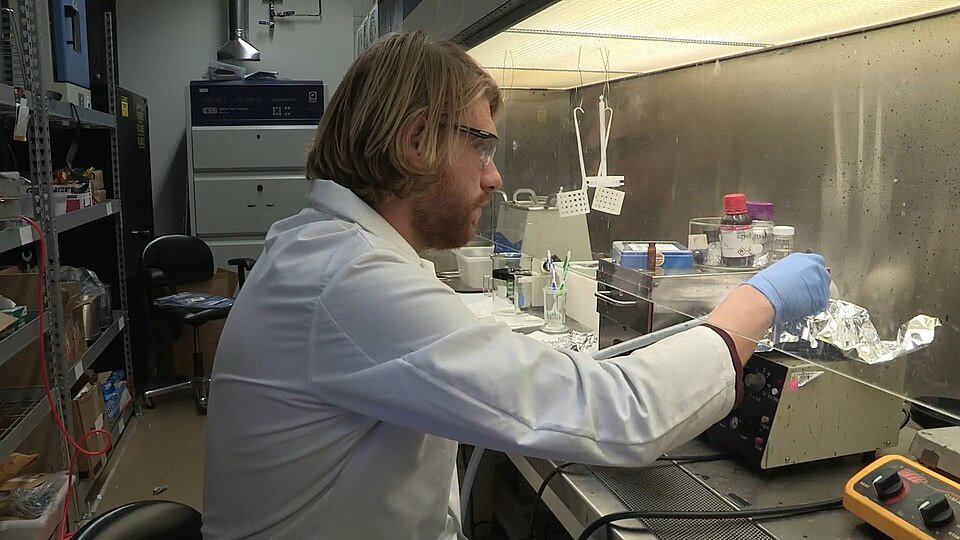
A government‑funded trial led by the University of Birmingham will soon offer “multi‑cancer” blood tests at selected GP surgeries, targeting adults aged 45 and over who present with vague abdominal symptoms such as pain or persistent bloating. More than 20,000 patients will be invited to provide one or two tubes of blood alongside routine tests, allowing scientists to analyse proteins and DNA fragments for signs of a range of abdominal tumours—including liver, ovarian, pancreatic, stomach, bowel, oesophageal, bile‑duct, gallbladder, endometrial, kidney, bladder and prostate cancers. The trial, named STRIDE‑RCT, aims to determine whether these tests are sufficiently accurate for broader NHS adoption, offering clinicians a tool to decide which patients need further investigative procedures.
Detecting abdominal cancers early has long been a challenge because early symptoms often mimic less serious conditions, a point underscored by Prof Peter Johnson, NHS England’s national clinical director for cancer. Earlier diagnosis markedly improves treatment success and survival rates; annually, about 71,000 people in England are diagnosed with the targeted cancers and nearly 35,000 die from them. The STRIDE‑RCT builds on earlier efforts such as the Galleri test, which recently failed to meet its primary goal of reducing late‑stage diagnoses, though researchers continue to evaluate its potential. Health Secretary Yvette Cooper expressed hope that simple blood tests could flag patients needing urgent investigation sooner, while Michelle Mitchell of Cancer Research UK highlighted the longstanding need for better GP tools to navigate diagnostic uncertainty.
If the STRIDE‑RCT demonstrates reliable accuracy, the multi‑cancer blood test could become a routine part of primary‑care screening, potentially reshaping referral pathways and reducing the number of late‑stage cancer presentations. Positive results would not constitute a definitive cancer diagnosis, and negative results would not guarantee the absence of disease, meaning further clinical judgment would remain essential. Successful validation could lead to wider NHS rollout, offering a faster, less invasive route to identify patients who merit more intensive diagnostic imaging or specialist referral, thereby improving outcomes for thousands of future patients.
⚡ Effects Interpreter
🌍World Economylow impact
What this means for you
- ▶Trade and investment between countries might shift a touch if things escalate.
- ▶Distant markets sometimes move on rumour before the facts even settle.
🏙️Local Economylow impact
What this means for you
- ▶Everyday essentials may nudge in price as suppliers adjust.
- ▶The high street usually mirrors big-picture shifts, just a bit down the road.
🏦Rates & Banksmedium impact
What this means for you
- ▶Any move in rates would probably come down the road, not overnight.
- ▶Base rate decisions are usually made on data trends, not single headlines.
❤️Healthlow impact
What this means for you
- ▶Modest, sensible precautions can go a long way here.
- ▶Looking after body and mind matters when health news feels close.
💷Wealthhigh impact
What this means for you
- ▶Sick pay and benefits are worth understanding before you need them.
- ▶A modest emergency fund can cushion any health-related costs.
🏠Housinglow impact
What this means for you
- ▶Anyone selling soon might want a fresh valuation once the dust settles.
- ▶House prices and rents are unlikely to shift the moment this news breaks.
🌍 Effects for your country
The U.S.'s central bank rate currently stands at 3.75%, so a global rates move like this could feed through to local borrowing costs. The U.S.'s economy is growing at 2.3% with inflation at 3.2%, the backdrop this story's effects play out against locally. Housing-market effects like this are usually felt most where mortgage rates track the U.S.'s own central bank rate closely. With the U.S.'s unemployment at 4.4%, personal-finance effects like this land on a labour market that is currently fairly stable. Health-system effects are harder to localise from economic indicators alone — the real impact in the U.S. depends more on local healthcare capacity than the figures above.
The UK's central bank rate currently stands at 3.75%, so a global rates move like this could feed through to local borrowing costs. The UK's economy is growing at 0.8% with inflation at 3.2%, the backdrop this story's effects play out against locally. Housing-market effects like this are usually felt most where mortgage rates track the UK's own central bank rate closely. With the UK's unemployment at 5.6%, personal-finance effects like this land on a labour market that is currently fairly stable. Health-system effects are harder to localise from economic indicators alone — the real impact in the UK depends more on local healthcare capacity than the figures above.
France's central bank rate currently stands at 2%, so a global rates move like this could feed through to local borrowing costs. France's economy is growing at 0.9% with inflation at 1.8%, the backdrop this story's effects play out against locally. Housing-market effects like this are usually felt most where mortgage rates track France's own central bank rate closely. With France's unemployment at 7.9%, personal-finance effects like this land on a labour market that is already under strain. Health-system effects are harder to localise from economic indicators alone — the real impact in France depends more on local healthcare capacity than the figures above.
Romania's central bank rate currently stands at 6.5%, so a global rates move like this could feed through to local borrowing costs. Romania's economy is growing at 0.7% with inflation at 7.8%, the backdrop this story's effects play out against locally. Housing-market effects like this are usually felt most where mortgage rates track Romania's own central bank rate closely. With Romania's unemployment at 6%, personal-finance effects like this land on a labour market that is currently fairly stable. Health-system effects are harder to localise from economic indicators alone — the real impact in Romania depends more on local healthcare capacity than the figures above.
The UAE's central bank rate currently stands at 3.65%, so a global rates move like this could feed through to local borrowing costs. The UAE's economy is growing at 3.1% with inflation at 2.5%, the backdrop this story's effects play out against locally. Housing-market effects like this are usually felt most where mortgage rates track the UAE's own central bank rate closely. Health-system effects are harder to localise from economic indicators alone — the real impact in the UAE depends more on local healthcare capacity than the figures above.