NHS caterer Compass ‘plans stock market switch’ in blow to London
Source: Guardian Markets ↗
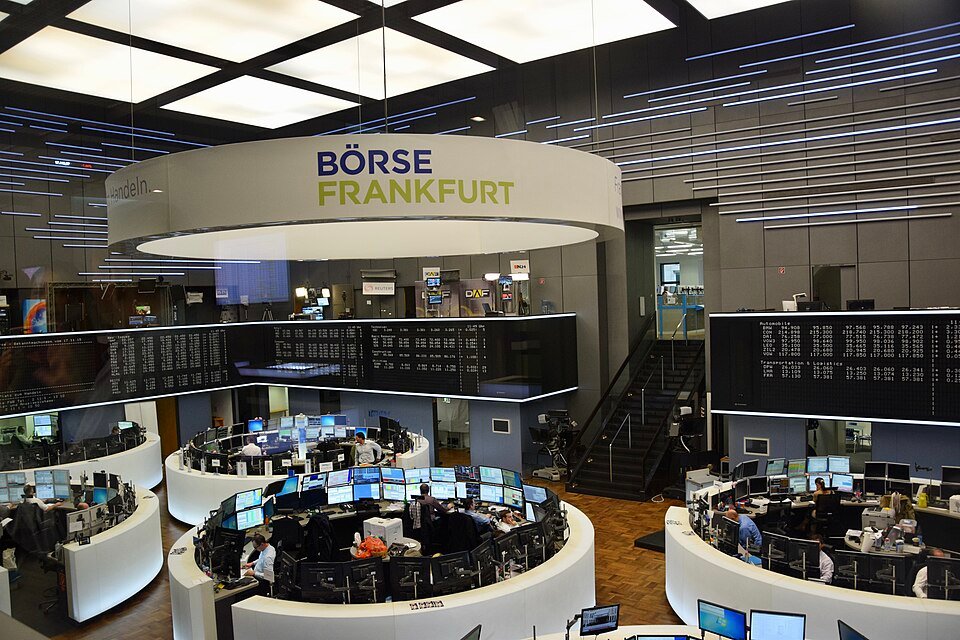
The £43bn firm’s decision to move primary listing to New York would mark latest loss for FTSE 100 Compass, one of the biggest companies in the FTSE 100, is planning to switch its primary listing from London to the US in the latest blow to the struggling UK stock market. The £43.6bn catering firm, which has been listed in London since 1988, could announce its intention to move its listing to New York as soon as Tuesday when it reports its annual results.
A string of companies have also left London’s stock market after agreeing to takeover deals. Airtel Money, the mobile money arm of Airtel Africa, has been one of the few companies to join London’s market this year.
⚡ Effects Interpreter
🌍World Economymedium impact
What this means for you
- ▶Cross-market spillover is common whenever a story like this breaks.
- ▶Commodity and stock desks tend to react almost at once.
🏙️Local Economylow impact
What this means for you
- ▶The knock-on for local trade is usually gradual rather than sudden.
- ▶Community shops may subtly reprice stock as costs shift upstream.
🏦Rates & Banksmedium impact
What this means for you
- ▶Rate decisions tend to follow data, not headlines, so patience is the norm.
- ▶Your monthly repayments are far more likely to hold steady than to spike.
❤️Healthmedium impact
What this means for you
- ▶Health anxieties triggered by a story like this usually ease once facts replace speculation.
- ▶A little perspective usually helps once the initial shock fades.
💷Wealthlow impact
What this means for you
- ▶Traders' mood can move your investments before the week is out.
- ▶Your shares ISA or pension might see a quick gain or dip today.
🏠Housinglow impact
What this means for you
- ▶Anyone selling soon might want a fresh valuation once the dust settles.
- ▶Surveyors and valuers tend to factor in wider trends gradually, not overnight.
🌍 Effects for your country
The U.S.'s central bank rate currently stands at 3.75%, so a global rates move like this could feed through to local borrowing costs. The U.S.'s economy is growing at 2.3% with inflation at 3.6%, the backdrop this story's effects play out against locally. Housing-market effects like this are usually felt most where mortgage rates track the U.S.'s own central bank rate closely. With the U.S.'s unemployment at 4.2%, personal-finance effects like this land on a labour market that is currently fairly stable. Health-system effects are harder to localise from economic indicators alone — the real impact in the U.S. depends more on local healthcare capacity than the figures above.
The UK's central bank rate currently stands at 3.75%, so a global rates move like this could feed through to local borrowing costs. The UK's economy is growing at 1.3% with inflation at 3.3%, the backdrop this story's effects play out against locally. Housing-market effects like this are usually felt most where mortgage rates track the UK's own central bank rate closely. With the UK's unemployment at 5.3%, personal-finance effects like this land on a labour market that is currently fairly stable. Health-system effects are harder to localise from economic indicators alone — the real impact in the UK depends more on local healthcare capacity than the figures above.
France's central bank rate currently stands at 2%, so a global rates move like this could feed through to local borrowing costs. France's economy is growing at 0.4% with inflation at 2.4%, the backdrop this story's effects play out against locally. Housing-market effects like this are usually felt most where mortgage rates track France's own central bank rate closely. With France's unemployment at 8.4%, personal-finance effects like this land on a labour market that is already under strain. Health-system effects are harder to localise from economic indicators alone — the real impact in France depends more on local healthcare capacity than the figures above.
Romania's central bank rate currently stands at 6.5%, so a global rates move like this could feed through to local borrowing costs. Romania's economy is growing at -0.5% with inflation at 8.2%, the backdrop this story's effects play out against locally. Housing-market effects like this are usually felt most where mortgage rates track Romania's own central bank rate closely. With Romania's unemployment at 6.5%, personal-finance effects like this land on a labour market that is currently fairly stable. Health-system effects are harder to localise from economic indicators alone — the real impact in Romania depends more on local healthcare capacity than the figures above.
The UAE's central bank rate currently stands at 3.65%, so a global rates move like this could feed through to local borrowing costs. The UAE's economy is growing at -3.9% with inflation at 4.5%, the backdrop this story's effects play out against locally. Housing-market effects like this are usually felt most where mortgage rates track the UAE's own central bank rate closely. Health-system effects are harder to localise from economic indicators alone — the real impact in the UAE depends more on local healthcare capacity than the figures above.