Oil Rises After Trump Declares US Doesn’t Need a Deal With Iran
Source: Bloomberg Markets ↗ (cross-verified by 2 outlets — full list below)
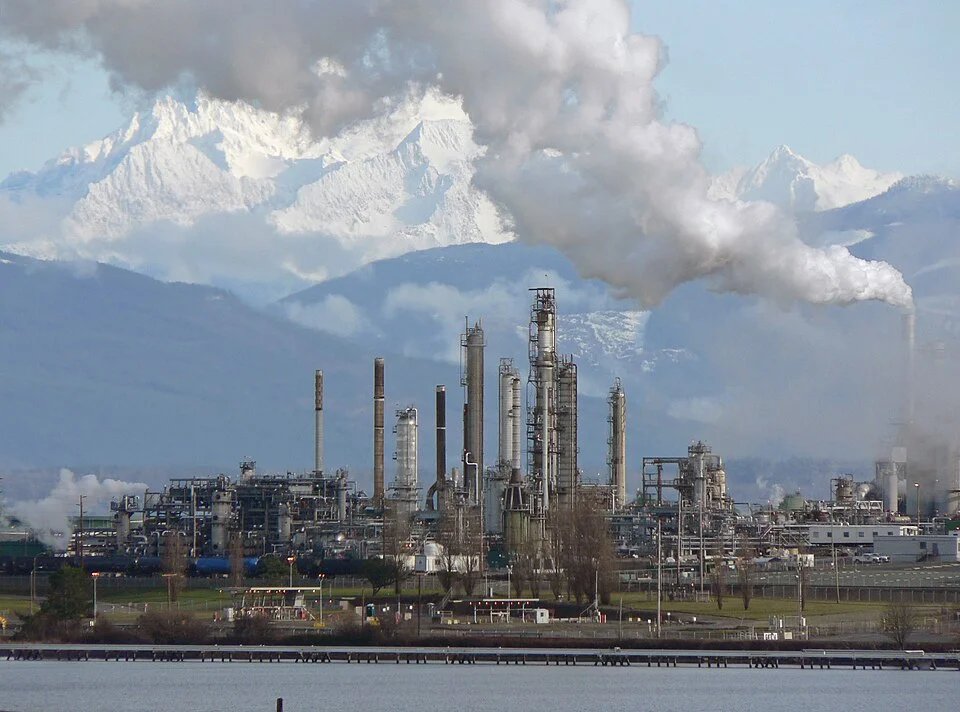
Oil prices were mixed on Thursday after President Donald Trump said the United States does not need a deal with Iran, a comment that revived concerns that the U.S.-Iran conflict could continue.
The president’s statement suggested that diplomatic negotiations to end the war were unlikely, prompting market participants to reassess the geopolitical risk premium baked into crude prices.
Traders responded by adjusting their positions, with the mixed price movement reflecting uncertainty over how long the conflict might persist and its impact on global oil supply.
⚡ Effects Interpreter
🌍World Economylow impact
What this means for you
- ▶Global investors may reshuffle quickly as the story sinks in.
- ▶Markets usually move first and ask questions later after headlines like these.
🏙️Local Economylow impact
What this means for you
- ▶Everyday essentials may nudge in price as suppliers adjust.
- ▶High street footfall and spending can shift subtly after this kind of news.
🏦Rates & Banksmedium impact
What this means for you
- ▶Rate decisions tend to follow data, not headlines, so patience is the norm.
- ▶Watching how currency markets react can hint at where rates head next.
❤️Healthmedium impact
What this means for you
- ▶Sleep and appetite can be the first quiet casualties of unsettling news.
- ▶Taking a break from the headlines can do more good than scrolling on.
💷Wealthmedium impact
What this means for you
- ▶Staying invested through moments like this is usually the steadier bet.
- ▶The bigger the market move, the faster it typically reverses.
🏠Housinglow impact
What this means for you
- ▶Mortgage deals may edge around if lenders read the wider mood.
- ▶Property values usually need more than one headline to really move.
📊 Country financial snapshot
United States
Iran
Source: IMF World Economic Outlook; each figure shows its year, and current-year values are IMF estimates. Policy rates and sovereign credit ratings are from the News Effects country dataset and show their own as-of date. Not investment advice.
🌍 Effects for your country
The U.S.'s central bank rate currently stands at 3.75%, so a global rates move like this could feed through to local borrowing costs. The U.S.'s economy is growing at 2.3% with inflation at 3.6%, the backdrop this story's effects play out against locally. Housing-market effects like this are usually felt most where mortgage rates track the U.S.'s own central bank rate closely. With the U.S.'s unemployment at 4.2%, personal-finance effects like this land on a labour market that is currently fairly stable. Health-system effects are harder to localise from economic indicators alone — the real impact in the U.S. depends more on local healthcare capacity than the figures above.
The UK's central bank rate currently stands at 3.75%, so a global rates move like this could feed through to local borrowing costs. The UK's economy is growing at 1.3% with inflation at 3.3%, the backdrop this story's effects play out against locally. Housing-market effects like this are usually felt most where mortgage rates track the UK's own central bank rate closely. With the UK's unemployment at 5.3%, personal-finance effects like this land on a labour market that is currently fairly stable. Health-system effects are harder to localise from economic indicators alone — the real impact in the UK depends more on local healthcare capacity than the figures above.
France's central bank rate currently stands at 2%, so a global rates move like this could feed through to local borrowing costs. France's economy is growing at 0.4% with inflation at 2.4%, the backdrop this story's effects play out against locally. Housing-market effects like this are usually felt most where mortgage rates track France's own central bank rate closely. With France's unemployment at 8.4%, personal-finance effects like this land on a labour market that is already under strain. Health-system effects are harder to localise from economic indicators alone — the real impact in France depends more on local healthcare capacity than the figures above.
Romania's central bank rate currently stands at 6.5%, so a global rates move like this could feed through to local borrowing costs. Romania's economy is growing at -0.5% with inflation at 8.2%, the backdrop this story's effects play out against locally. Housing-market effects like this are usually felt most where mortgage rates track Romania's own central bank rate closely. With Romania's unemployment at 6.5%, personal-finance effects like this land on a labour market that is currently fairly stable. Health-system effects are harder to localise from economic indicators alone — the real impact in Romania depends more on local healthcare capacity than the figures above.
The UAE's central bank rate currently stands at 3.65%, so a global rates move like this could feed through to local borrowing costs. The UAE's economy is growing at -3.9% with inflation at 4.5%, the backdrop this story's effects play out against locally. Housing-market effects like this are usually felt most where mortgage rates track the UAE's own central bank rate closely. Health-system effects are harder to localise from economic indicators alone — the real impact in the UAE depends more on local healthcare capacity than the figures above.