Russia-Ukraine talks turn to post-war security but end without breakthrough
Source: BBC World ↗ (cross-verified by 4 outlets — full list below)
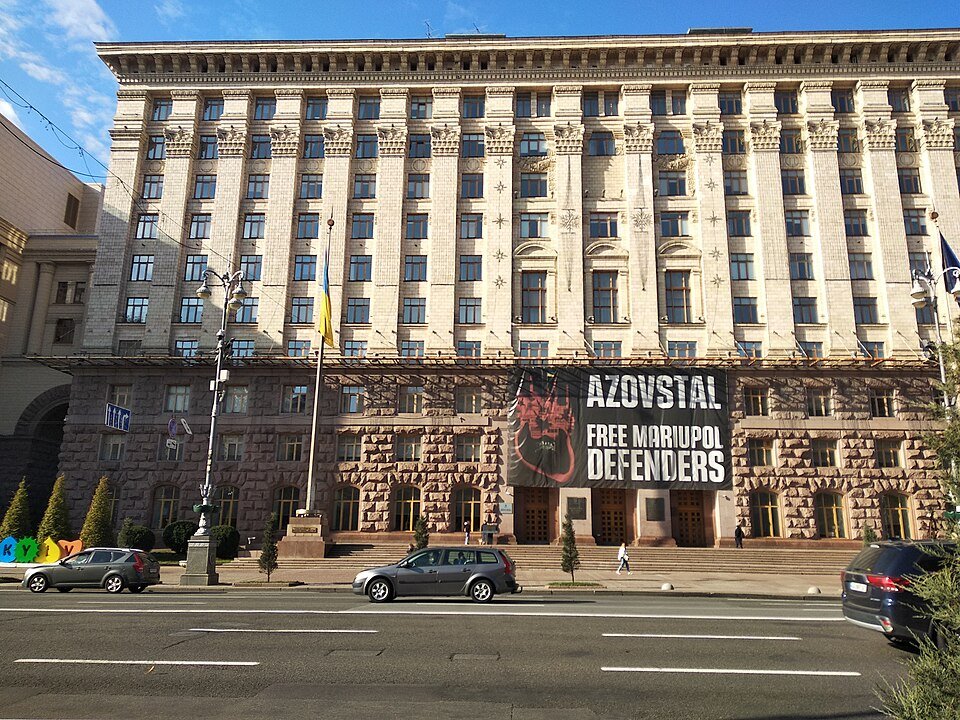
Trilateral negotiations in Abu Dhabi between Russia, Ukraine and the United States concluded after two days without a breakthrough, even as both sides confirmed that a large‑scale prisoner‑of‑war exchange is being prepared. Ukrainian negotiator Davyd Arakhamia described the talks as “one of the hardest,” noting that Russian delegates arrived with “very strict directives” that limited any softening of positions. Kremlin spokesman Vladimir Medinsky warned that outcomes now hinge on Ukraine, the United States and whether Europe “comes to its senses.” Following the Abu Dhabi session, U.S. envoys Steve Witkoff and Jared Kushner – the former president’s son‑in‑law – were slated to travel to Moscow to meet President Vladimir Putin and then on to Dublin for a discussion with President Volodymyr Zelensky.
The core of the discussions centered on a future European security architecture that could replace the current NATO‑centric model. Kyiv seeks guarantees that allies will intervene if Russia attacks again, despite Ukraine not being a NATO member, while Moscow pushes for a framework that curtails NATO’s influence in Eastern Europe, a long‑standing Kremlin demand. Kushner said the United States hopes to “create a new framework” linking Ukraine, Russia and Europe to secure lasting peace, echoing Medinsky’s call for a “new” and “fair” security system he likened to a modern “Yalta and Potsdam.” European representatives from Britain, NATO and several EU states were present in Abu Dhabi, but the Kremlin asserted its delegation had no contact with them, underscoring Moscow’s dismissive stance toward European involvement even as European leaders argue that any post‑war order must include their participation.
The talks also exposed deep divisions over the sequencing of a ceasefire and the territorial question, particularly the status of Donetsk. Kyiv wants to freeze the front line to retain control of the region, which it deems essential to its security, whereas Moscow insists every inch of Donetsk will eventually be “returned to Russia one way or another.” Kushner acknowledged that settlement of the territorial issue remains the hardest obstacle, and Zelensky’s chief of staff Kyrylo Budanov declined to comment on whether Russia still demands a Ukrainian withdrawal. Both sides agreed that trust is currently lacking, a condition the negotiators expect given the five‑year conflict, and that any peacetime security framework can only be implemented after the war ends, which in turn depends on agreements over territory and other bilateral issues.
⚡ Effects Interpreter
🌍World Economylow impact
What this means for you
- ▶Confidence among international firms may wobble until the picture clears.
- ▶Foreign direct investment decisions can hinge on how this plays out.
🏙️Local Economylow impact
What this means for you
- ▶Household budgets could notice a slight ripple before long.
- ▶Jobs and trade close to home might feel a soft knock-on effect.
🏦Rates & Bankslow impact
What this means for you
- ▶A change in the cost of money, if it comes, will likely arrive quietly.
- ▶Savings accounts may see their rates nudged only after a broader trend emerges.
❤️Healthlow impact
What this means for you
- ▶It's easy to underestimate how much stories like this weigh on people.
- ▶Community wellbeing might dip a little while people wait for clarity.
💷Wealthmedium impact
What this means for you
- ▶Keeping perspective on your timeline usually beats reacting to any single story.
- ▶Your household's overall financial health matters more than any one day's numbers.
🏠Housinglow impact
What this means for you
- ▶Rental yields in the area may shift only slightly, if at all, from this.
- ▶Estate agents typically say the market takes weeks to catch up with news.
📊 Country financial snapshot
Russia
Ukraine
Source: IMF World Economic Outlook; each figure shows its year, and current-year values are IMF estimates. Policy rates and sovereign credit ratings are from the News Effects country dataset and show their own as-of date. Not investment advice.
🌍 Effects for your country
The U.S.'s central bank rate currently stands at 3.75%, so a global rates move like this could feed through to local borrowing costs. The U.S.'s economy is growing at 2.3% with inflation at 3.6%, the backdrop this story's effects play out against locally. Housing-market effects like this are usually felt most where mortgage rates track the U.S.'s own central bank rate closely. With the U.S.'s unemployment at 4.2%, personal-finance effects like this land on a labour market that is currently fairly stable. Health-system effects are harder to localise from economic indicators alone — the real impact in the U.S. depends more on local healthcare capacity than the figures above.
The UK's central bank rate currently stands at 3.75%, so a global rates move like this could feed through to local borrowing costs. The UK's economy is growing at 1.3% with inflation at 3.3%, the backdrop this story's effects play out against locally. Housing-market effects like this are usually felt most where mortgage rates track the UK's own central bank rate closely. With the UK's unemployment at 5.3%, personal-finance effects like this land on a labour market that is currently fairly stable. Health-system effects are harder to localise from economic indicators alone — the real impact in the UK depends more on local healthcare capacity than the figures above.
France's central bank rate currently stands at 2%, so a global rates move like this could feed through to local borrowing costs. France's economy is growing at 0.4% with inflation at 2.4%, the backdrop this story's effects play out against locally. Housing-market effects like this are usually felt most where mortgage rates track France's own central bank rate closely. With France's unemployment at 8.4%, personal-finance effects like this land on a labour market that is already under strain. Health-system effects are harder to localise from economic indicators alone — the real impact in France depends more on local healthcare capacity than the figures above.
Romania's central bank rate currently stands at 6.5%, so a global rates move like this could feed through to local borrowing costs. Romania's economy is growing at -0.5% with inflation at 8.2%, the backdrop this story's effects play out against locally. Housing-market effects like this are usually felt most where mortgage rates track Romania's own central bank rate closely. With Romania's unemployment at 6.5%, personal-finance effects like this land on a labour market that is currently fairly stable. Health-system effects are harder to localise from economic indicators alone — the real impact in Romania depends more on local healthcare capacity than the figures above.
The UAE's central bank rate currently stands at 3.65%, so a global rates move like this could feed through to local borrowing costs. The UAE's economy is growing at -3.9% with inflation at 4.5%, the backdrop this story's effects play out against locally. Housing-market effects like this are usually felt most where mortgage rates track the UAE's own central bank rate closely. Health-system effects are harder to localise from economic indicators alone — the real impact in the UAE depends more on local healthcare capacity than the figures above.