Russian strikes cut power to thousands in Ukraine as Kherson ceasefire expires
Source: BBC World ↗ (cross-verified by 3 outlets — full list below)
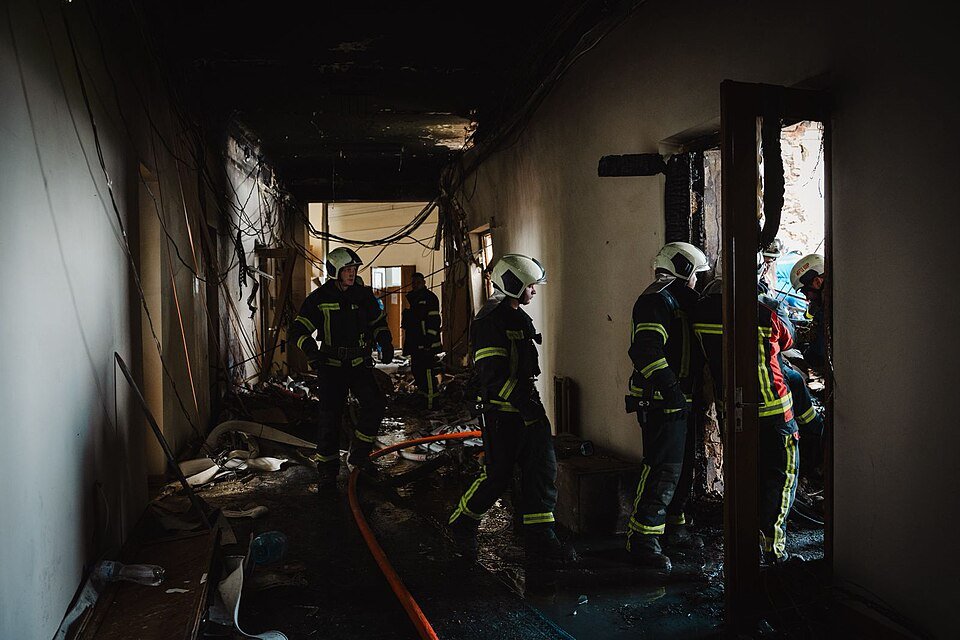
Russian forces struck energy infrastructure in four Ukrainian regions overnight on Saturday, plunging hundreds of thousands of homes into darkness, Ukrainian President Volodymyr Zelensky reported. The attacks killed two people, including a 13‑year‑old girl, in the Vinnytsia region, according to the State Emergency Service of Ukraine. Simultaneously, Ukraine hit a major missile‑fuel producer in Russia’s Rostov region, igniting a fire that damaged four production facilities. In the wake of the strikes, emergency power cuts were imposed nationwide, with Kyiv experiencing prolonged electricity outages and water supply disruptions, while repair crews managed to restore most connections in the Dnipropetrovsk region by early evening, though over 60,000 customers remained without power.
The humanitarian ceasefire that had allowed civilians to leave the Russian‑occupied city of Oleshky in the Kherson region was set to expire at 22:59 Ukrainian time on Sunday, ending a localized pause in hostilities that began the previous Tuesday. Brokered with the assistance of U.S. First Lady Melania Trump and Pope Leo, the truce initially covered only Oleshky—trapped by the Dnipro River and Russian forces, with mined routes and drone threats—but was later expanded across the wider Kherson area. Residents, who had endured severe shortages of food, water and electricity and resorted to cooking garden weeds, were given a narrow window to evacuate; the oldest evacuee was 94 and the youngest was one, as noted by Ukraine’s human‑rights ombudsman Dmytro Lubinets. Evacuees had to traverse Russian‑occupied territory to southern Russia, fly to Belarus, and then travel across Ukraine’s northern border to reunite with families, prompting emotional reunions after years of separation.
Zelensky warned that the intensity of Russian strikes had been “extremely high” over the past week, accusing Moscow of exploiting a shortage of ballistic‑missile interceptors and repeatedly urging the United States, Europe and other partners for immediate delivery of Patriot systems, which he described as the only effective defense against Russia’s deadly missiles. He thanked nations for their existing support while pressing for further aid, emphasizing that Ukraine had communicated its needs “every day.” The cessation of the Oleshky ceasefire comes as Ukraine continues to grapple with widespread infrastructure damage, ongoing energy shortages, and the broader strategic pressure of sustained Russian attacks, underscoring the fragile humanitarian situation and the critical importance of international military assistance.
⚡ Effects Interpreter
🌍World Economylow impact
What this means for you
- ▶Confidence among international firms might wobble until the picture clears.
- ▶Currency traders elsewhere may start pricing in the fallout within hours.
🏙️Local Economylow impact
What this means for you
- ▶Family budgets close to home might absorb a slight, slow-moving effect.
- ▶Everyday costs in your town may drift as the wider economy reacts.
🏦Rates & Banksmedium impact
What this means for you
- ▶Central banks watch moments like this closely, so keep an eye on savings rates.
- ▶Your monthly repayments are far more likely to hold steady than to spike.
❤️Healthmedium impact
What this means for you
- ▶Some people feel this news more keenly than others, and that's worth acknowledging.
- ▶Day-to-day stress can creep up if this starts touching familiar routines.
💷Wealthmedium impact
What this means for you
- ▶Time in the market usually matters more than timing the market around a story like this.
- ▶It's rarely wise to make big financial decisions purely on breaking news.
🏠Housingmedium impact
What this means for you
- ▶A patient seller usually fares better than one rushing to react to headlines.
- ▶The housing market has a habit of lagging behind the headlines.
🌍 Effects for your country
The U.S.'s central bank rate currently stands at 3.75%, so a global rates move like this could feed through to local borrowing costs. The U.S.'s economy is growing at 2.3% with inflation at 3.2%, the backdrop this story's effects play out against locally. Housing-market effects like this are usually felt most where mortgage rates track the U.S.'s own central bank rate closely. With the U.S.'s unemployment at 4.4%, personal-finance effects like this land on a labour market that is currently fairly stable. Health-system effects are harder to localise from economic indicators alone — the real impact in the U.S. depends more on local healthcare capacity than the figures above.
The UK's central bank rate currently stands at 3.75%, so a global rates move like this could feed through to local borrowing costs. The UK's economy is growing at 0.8% with inflation at 3.2%, the backdrop this story's effects play out against locally. Housing-market effects like this are usually felt most where mortgage rates track the UK's own central bank rate closely. With the UK's unemployment at 5.6%, personal-finance effects like this land on a labour market that is currently fairly stable. Health-system effects are harder to localise from economic indicators alone — the real impact in the UK depends more on local healthcare capacity than the figures above.
France's central bank rate currently stands at 2%, so a global rates move like this could feed through to local borrowing costs. France's economy is growing at 0.9% with inflation at 1.8%, the backdrop this story's effects play out against locally. Housing-market effects like this are usually felt most where mortgage rates track France's own central bank rate closely. With France's unemployment at 7.9%, personal-finance effects like this land on a labour market that is already under strain. Health-system effects are harder to localise from economic indicators alone — the real impact in France depends more on local healthcare capacity than the figures above.
Romania's central bank rate currently stands at 6.5%, so a global rates move like this could feed through to local borrowing costs. Romania's economy is growing at 0.7% with inflation at 7.8%, the backdrop this story's effects play out against locally. Housing-market effects like this are usually felt most where mortgage rates track Romania's own central bank rate closely. With Romania's unemployment at 6%, personal-finance effects like this land on a labour market that is currently fairly stable. Health-system effects are harder to localise from economic indicators alone — the real impact in Romania depends more on local healthcare capacity than the figures above.
The UAE's central bank rate currently stands at 3.65%, so a global rates move like this could feed through to local borrowing costs. The UAE's economy is growing at 3.1% with inflation at 2.5%, the backdrop this story's effects play out against locally. Housing-market effects like this are usually felt most where mortgage rates track the UAE's own central bank rate closely. Health-system effects are harder to localise from economic indicators alone — the real impact in the UAE depends more on local healthcare capacity than the figures above.