‘Seduced by a dramatic landscape of canyons and lakes’: exploring Catalonia’s wild side
Source: Guardian Travel ↗
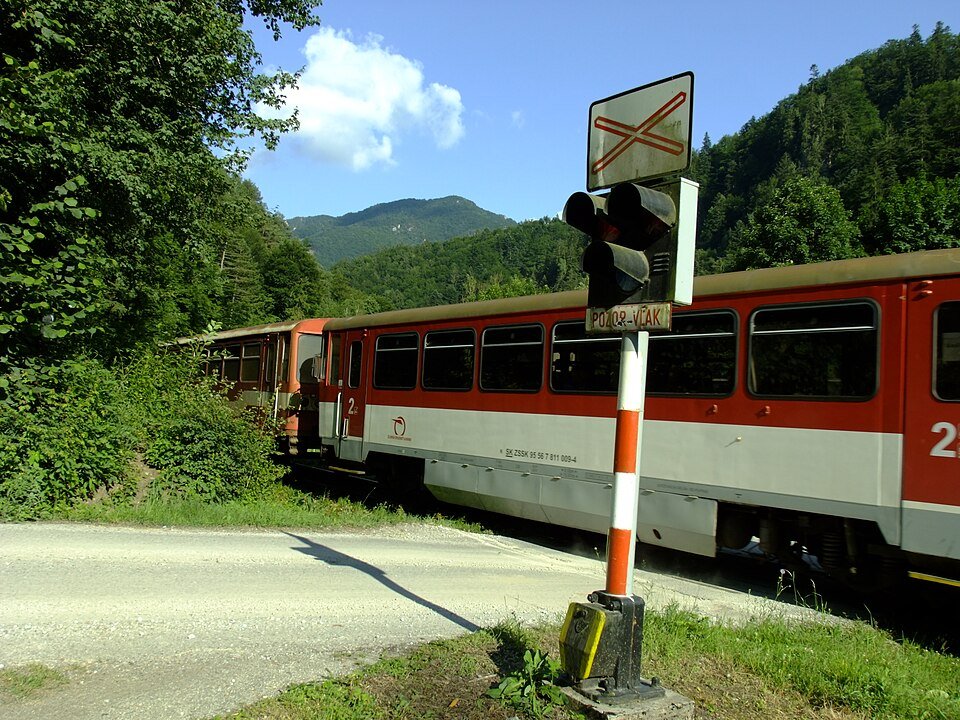
A historic single‑track railway now threads through the foothills of the Pyrenees, linking the city of Lleida with the mountain town of La Pobla de Segur and opening up a pristine wilderness of forests, gorges and thundering rivers in Catalonia’s Pallars Jussà region. The Tren dels Llacs – the Lakes Train – runs on a solitary line that spans 55 miles (89 km), crossing 40 tunnels and 75 bridges, and stops at remote platforms such as Santa Linya, where a lone platform overlooks a turquoise lake and a steep limestone trail. Travelers can board the vintage Tren Historic service, a 1960s locomotive with period dining car and mail carriage, or the modern Tren Panoramic, but many prefer the nostalgic wood‑panelled carriage for its timeless feel as they glide through the pre‑Pyrenees landscape.
The railway’s revival has turned the area into a magnet for outdoor enthusiasts, especially cyclists who can hop on and off at request stops and explore a vast network of ancient trails that link ruined castles, chapels and farmhouses across the hills. After arriving in Tremp, visitors can rent bicycles and ride to the lakeside Hotel Terradets near Cellers, a century‑old inn now equipped with bike workshops, kayak hire and a pool overlooking the Embalse de Terradets. The reservoir, created when the Noguera Pallaresa was dammed in 1935, masks the submerged ruins of the monastery of Sant Miquel de Cellers, while the hotel’s menu reflects the strong Catalan identity of the region, with no Spanish‑language options and a local culture that proudly displays the Estelada separatist flag and pro‑independence graffiti.
Life in Pallars Jussà moves at a deliberate pace, with no motorways, a lingering four‑hour siesta and a deep connection to the land’s natural rhythms, yet the improved accessibility provided by the train and bike‑friendly infrastructure makes the remote wilderness more reachable for gentle travelers and nostalgic honeymooners alike. The blend of dramatic canyon scenery, historic ruins and a resilient, resourceful local community offers a rewarding experience that highlights both Catalonia’s rugged natural beauty and its enduring cultural distinctiveness.
⚡ Effects Interpreter
🌍World Economylow impact
What this means for you
- ▶Overseas suppliers might quietly rethink their pricing after news like this.
- ▶Distant markets sometimes move on rumour before the facts even settle.
🏙️Local Economylow impact
What this means for you
- ▶Local tourism businesses feel these shifts quickly.
- ▶Flights and hotels at the destination might cost more if demand jumps after this.
🏦Rates & Banksmedium impact
What this means for you
- ▶Banks tend to wait and see before nudging the rates they offer.
- ▶Central banks watch moments like this closely, so keep an eye on savings rates.
❤️Healthlow impact
What this means for you
- ▶Pack sensibly — modest precautions make for smoother travel.
- ▶Local water and food advice can save a holiday from an upset stomach.
💷Wealthmedium impact
What this means for you
- ▶Savers with a clear plan tend to feel less rattled by news like this.
- ▶Retirement plans are seldom derailed by news of this size alone.
🏠Housinglow impact
What this means for you
- ▶Rental yields in the area could shift only slightly, if at all, from this.
- ▶Surveyors and valuers tend to factor in wider trends gradually, not overnight.
🌍 Effects for your country
The U.S.'s central bank rate currently stands at 3.75%, so a global rates move like this could feed through to local borrowing costs. The U.S.'s economy is growing at 2.3% with inflation at 3.6%, the backdrop this story's effects play out against locally. Housing-market effects like this are usually felt most where mortgage rates track the U.S.'s own central bank rate closely. With the U.S.'s unemployment at 4.2%, personal-finance effects like this land on a labour market that is currently fairly stable. Health-system effects are harder to localise from economic indicators alone — the real impact in the U.S. depends more on local healthcare capacity than the figures above.
The UK's central bank rate currently stands at 3.75%, so a global rates move like this could feed through to local borrowing costs. The UK's economy is growing at 1.3% with inflation at 3.3%, the backdrop this story's effects play out against locally. Housing-market effects like this are usually felt most where mortgage rates track the UK's own central bank rate closely. With the UK's unemployment at 5.3%, personal-finance effects like this land on a labour market that is currently fairly stable. Health-system effects are harder to localise from economic indicators alone — the real impact in the UK depends more on local healthcare capacity than the figures above.
France's central bank rate currently stands at 2%, so a global rates move like this could feed through to local borrowing costs. France's economy is growing at 0.4% with inflation at 2.4%, the backdrop this story's effects play out against locally. Housing-market effects like this are usually felt most where mortgage rates track France's own central bank rate closely. With France's unemployment at 8.4%, personal-finance effects like this land on a labour market that is already under strain. Health-system effects are harder to localise from economic indicators alone — the real impact in France depends more on local healthcare capacity than the figures above.
Romania's central bank rate currently stands at 6.5%, so a global rates move like this could feed through to local borrowing costs. Romania's economy is growing at -0.5% with inflation at 8.2%, the backdrop this story's effects play out against locally. Housing-market effects like this are usually felt most where mortgage rates track Romania's own central bank rate closely. With Romania's unemployment at 6.5%, personal-finance effects like this land on a labour market that is currently fairly stable. Health-system effects are harder to localise from economic indicators alone — the real impact in Romania depends more on local healthcare capacity than the figures above.
The UAE's central bank rate currently stands at 3.65%, so a global rates move like this could feed through to local borrowing costs. The UAE's economy is growing at -3.9% with inflation at 4.5%, the backdrop this story's effects play out against locally. Housing-market effects like this are usually felt most where mortgage rates track the UAE's own central bank rate closely. Health-system effects are harder to localise from economic indicators alone — the real impact in the UAE depends more on local healthcare capacity than the figures above.