The backlash about data centers might really just be about electricity
Source: MIT Technology Review ↗
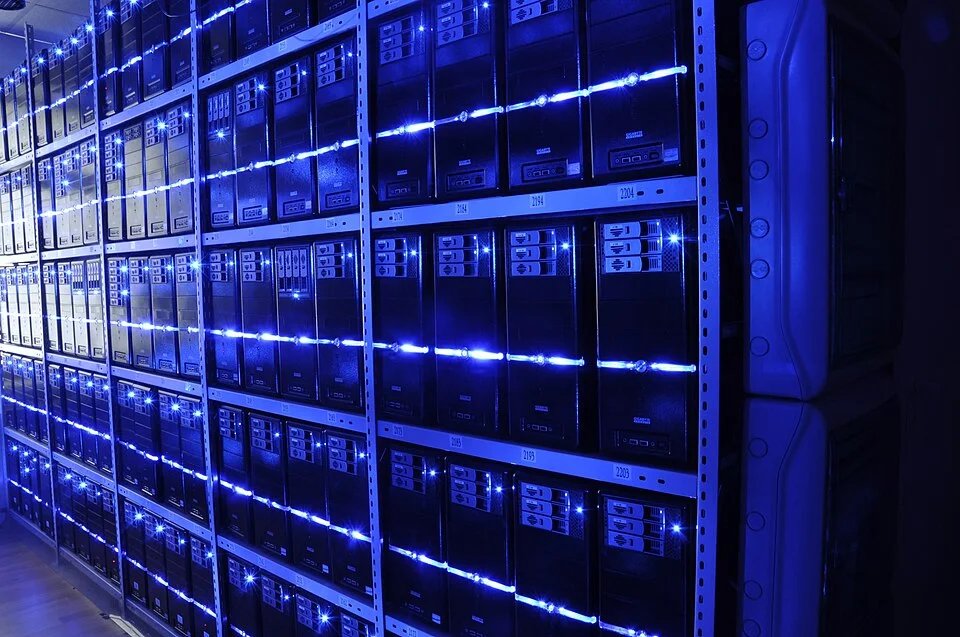
A wave of opposition to data centers is coalescing around their massive electricity consumption rather than the cultural anxieties Big Tech officials cite. In Virginia’s Loudoun County—home to the world’s largest “Data Center Alley”—the average facility draws about 54 megawatts, a load that exceeds the power use of Denver International Airport, and most sites rely on the regional grid supplied by Dominion Energy, which still depends heavily on natural‑gas generation. OpenAI’s chief global affairs officer Chris Lehane recently framed the backlash as a proxy for public unease about affordability, corporate power and loss of control, but on the ground activists like Elena Schlossberg argue the fight has always been about electricity, not ideology.
The core of the controversy lies in how data centers obtain that power. In Virginia, new state rules now require operators to fully fund any transmission lines they need, preventing the cost from being spread across other ratepayers, and developers warn they could be cut off from grid supply during peak demand periods. Elsewhere, companies building AI‑focused facilities are bypassing inadequate grids by installing “behind‑the‑meter” generation—large natural‑gas turbines and diesel backup generators. Anthropic, for example, has committed $3.4 billion to purchase gas turbines, while the smallest AI‑training sites already need 300 megawatts and the most ambitious projects envision 6,000 megawatts, comparable to the entire city of Chicago’s demand. Such on‑site generation brings the same environmental and community‑impact concerns that have traditionally accompanied public utility projects, including air‑pollutant emissions and the loss of local input on infrastructure placement.
The implications extend beyond the immediate power draw. Critics warn that heightened grid strain could push utilities like Dominion Energy to expand fossil‑fuel capacity rather than accelerate renewable adoption, while increased reliance on diesel and gas turbines threatens local air quality, as illustrated by the EPA’s finding that Elon Musk’s Memphis data‑center turbines violated emissions standards. As data‑center developers scramble to secure sufficient electricity—whether by demanding new grid upgrades or by building private generation—they risk becoming “horrible neighbors” to surrounding communities, sparking further resistance. The emerging backlash, therefore, is less a cultural war and more a tangible dispute over who bears the cost and environmental burden of the electricity that powers the digital economy.
⚡ Effects Interpreter
🌍World Economylow impact
What this means for you
- ▶Markets around the world might take their cue from how this story unfolds.
- ▶World markets have a habit of reading between the lines of stories like this.
🏙️Local Economylow impact
What this means for you
- ▶Neighbourhood traders often adjust quietly rather than all at once.
- ▶Everyday spending habits nearby might shift once the news sinks in.
🏦Rates & Banksmedium impact
What this means for you
- ▶Financial markets sometimes overreact to rate speculation before banks even respond.
- ▶A sudden leap in mortgage costs from this alone would be out of character for lenders.
❤️Healthlow impact
What this means for you
- ▶Stress levels in affected communities may tick up before they settle.
- ▶Sleep and appetite can be the first quiet casualties of unsettling news.
💷Wealthmedium impact
What this means for you
- ▶Nest eggs can wobble briefly before finding their footing again.
- ▶Retirement plans are seldom derailed by news of this size alone.
🏠Housinglow impact
What this means for you
- ▶Housing supply and demand rarely turn on a single piece of news.
- ▶Mortgage shoppers may find deals shift only slightly in the short term.
🌍 Effects for your country
The U.S.'s central bank rate currently stands at 3.75%, so a global rates move like this could feed through to local borrowing costs. The U.S.'s economy is growing at 2.3% with inflation at 3.6%, the backdrop this story's effects play out against locally. Housing-market effects like this are usually felt most where mortgage rates track the U.S.'s own central bank rate closely. With the U.S.'s unemployment at 4.2%, personal-finance effects like this land on a labour market that is currently fairly stable. Health-system effects are harder to localise from economic indicators alone — the real impact in the U.S. depends more on local healthcare capacity than the figures above.
The UK's central bank rate currently stands at 3.75%, so a global rates move like this could feed through to local borrowing costs. The UK's economy is growing at 1.3% with inflation at 3.3%, the backdrop this story's effects play out against locally. Housing-market effects like this are usually felt most where mortgage rates track the UK's own central bank rate closely. With the UK's unemployment at 5.3%, personal-finance effects like this land on a labour market that is currently fairly stable. Health-system effects are harder to localise from economic indicators alone — the real impact in the UK depends more on local healthcare capacity than the figures above.
France's central bank rate currently stands at 2%, so a global rates move like this could feed through to local borrowing costs. France's economy is growing at 0.4% with inflation at 2.4%, the backdrop this story's effects play out against locally. Housing-market effects like this are usually felt most where mortgage rates track France's own central bank rate closely. With France's unemployment at 8.4%, personal-finance effects like this land on a labour market that is already under strain. Health-system effects are harder to localise from economic indicators alone — the real impact in France depends more on local healthcare capacity than the figures above.
Romania's central bank rate currently stands at 6.5%, so a global rates move like this could feed through to local borrowing costs. Romania's economy is growing at -0.5% with inflation at 8.2%, the backdrop this story's effects play out against locally. Housing-market effects like this are usually felt most where mortgage rates track Romania's own central bank rate closely. With Romania's unemployment at 6.5%, personal-finance effects like this land on a labour market that is currently fairly stable. Health-system effects are harder to localise from economic indicators alone — the real impact in Romania depends more on local healthcare capacity than the figures above.
The UAE's central bank rate currently stands at 3.65%, so a global rates move like this could feed through to local borrowing costs. The UAE's economy is growing at -3.9% with inflation at 4.5%, the backdrop this story's effects play out against locally. Housing-market effects like this are usually felt most where mortgage rates track the UAE's own central bank rate closely. Health-system effects are harder to localise from economic indicators alone — the real impact in the UAE depends more on local healthcare capacity than the figures above.