Trump, Xi, Putin summit: What was it all about?
Source: France 24 ↗ (cross-verified by 5 outlets — full list below)
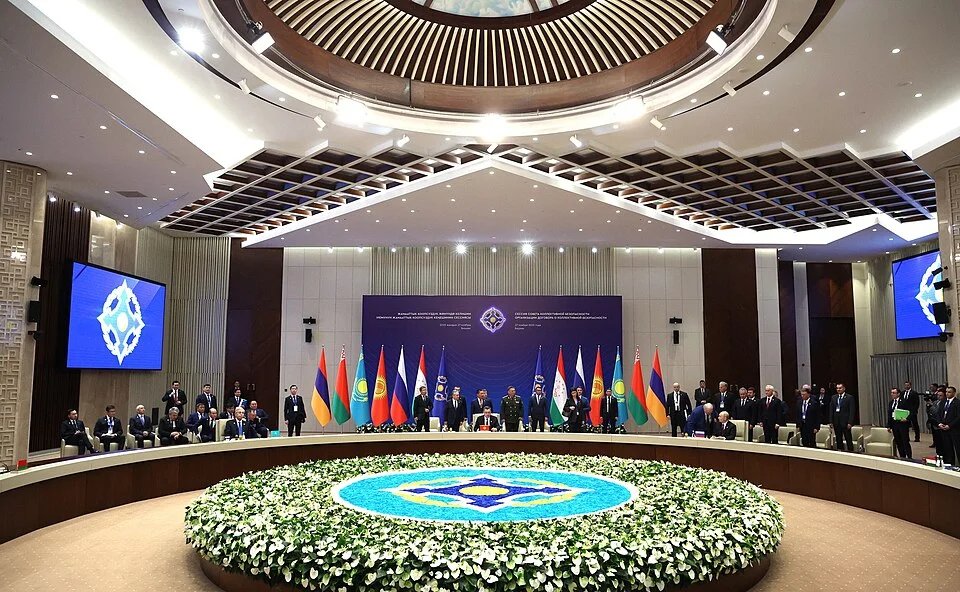
Donald Trump departed China after a historic first‑ever three‑way meeting with Chinese President Xi Jinping and Russian President Vladimir Putin on the sidelines of the APEC summit. The leaders discussed Ukraine without the presence of Kyiv or European officials, and Putin claimed the dialogue created conditions for future agreements. Xi warned major powers against conflict, while the trio also talked about reducing nuclear risks, reforming the United Nations and increasing energy flows.
The summit marked an unprecedented direct engagement between the United States, China and Russia, prompting scrutiny over the exclusion of Ukrainian and European voices. Trump defended the talks as necessary dialogue with rivals, and Putin’s remarks suggested a willingness to pursue further cooperation. Xi’s warning underscored concerns about great‑power confrontation, and the broader agenda—nuclear risk reduction, UN reform and energy cooperation—signals potential shifts in diplomatic priorities among the three nations.
⚡ Effects Interpreter
🌍World Economylow impact
What this means for you
- ▶Growth projections drawn up in distant capitals might need a rethink.
- ▶Global commerce often shrugs off small shocks, but keeps one eye open.
🏙️Local Economylow impact
What this means for you
- ▶Everyday spending habits nearby might shift once the news sinks in.
- ▶Modest firms on your street might pass costs on cautiously, bit by bit.
🏦Rates & Banksmedium impact
What this means for you
- ▶Your loan or mortgage rate is more likely to drift than to lurch here.
- ▶Lenders usually hold their nerve until a clearer trend appears.
❤️Healthmedium impact
What this means for you
- ▶A measured response usually serves communities better than alarm.
- ▶Checking in on vulnerable neighbours matters when news feels heavy.
💷Wealthmedium impact
What this means for you
- ▶Steady hands usually come out ahead when this kind of news breaks.
- ▶Money set aside for the future can afford to sit tight through this.
🏠Housinglow impact
What this means for you
- ▶A slow-moving market like housing rarely reacts overnight.
- ▶Rental yields in the area might shift only slightly, if at all, from this.
📊 Country financial snapshot
China
Ukraine
Source: IMF World Economic Outlook; each figure shows its year, and current-year values are IMF estimates. Policy rates and sovereign credit ratings are from the News Effects country dataset and show their own as-of date. Not investment advice.
🌍 Effects for your country
The U.S.'s central bank rate currently stands at 3.75%, so a global rates move like this could feed through to local borrowing costs. The U.S.'s economy is growing at 2.3% with inflation at 3.6%, the backdrop this story's effects play out against locally. Housing-market effects like this are usually felt most where mortgage rates track the U.S.'s own central bank rate closely. With the U.S.'s unemployment at 4.2%, personal-finance effects like this land on a labour market that is currently fairly stable. Health-system effects are harder to localise from economic indicators alone — the real impact in the U.S. depends more on local healthcare capacity than the figures above.
The UK's central bank rate currently stands at 3.75%, so a global rates move like this could feed through to local borrowing costs. The UK's economy is growing at 1.3% with inflation at 3.3%, the backdrop this story's effects play out against locally. Housing-market effects like this are usually felt most where mortgage rates track the UK's own central bank rate closely. With the UK's unemployment at 5.3%, personal-finance effects like this land on a labour market that is currently fairly stable. Health-system effects are harder to localise from economic indicators alone — the real impact in the UK depends more on local healthcare capacity than the figures above.
France's central bank rate currently stands at 2%, so a global rates move like this could feed through to local borrowing costs. France's economy is growing at 0.4% with inflation at 2.4%, the backdrop this story's effects play out against locally. Housing-market effects like this are usually felt most where mortgage rates track France's own central bank rate closely. With France's unemployment at 8.4%, personal-finance effects like this land on a labour market that is already under strain. Health-system effects are harder to localise from economic indicators alone — the real impact in France depends more on local healthcare capacity than the figures above.
Romania's central bank rate currently stands at 6.5%, so a global rates move like this could feed through to local borrowing costs. Romania's economy is growing at -0.5% with inflation at 8.2%, the backdrop this story's effects play out against locally. Housing-market effects like this are usually felt most where mortgage rates track Romania's own central bank rate closely. With Romania's unemployment at 6.5%, personal-finance effects like this land on a labour market that is currently fairly stable. Health-system effects are harder to localise from economic indicators alone — the real impact in Romania depends more on local healthcare capacity than the figures above.
The UAE's central bank rate currently stands at 3.65%, so a global rates move like this could feed through to local borrowing costs. The UAE's economy is growing at -3.9% with inflation at 4.5%, the backdrop this story's effects play out against locally. Housing-market effects like this are usually felt most where mortgage rates track the UAE's own central bank rate closely. Health-system effects are harder to localise from economic indicators alone — the real impact in the UAE depends more on local healthcare capacity than the figures above.