U.S. Treasury's Financial Crimes Agency Takes Some Systems Offline After Cyber Intrusion
Source: The Hacker News ↗ (cross-verified by 2 outlets — full list below)
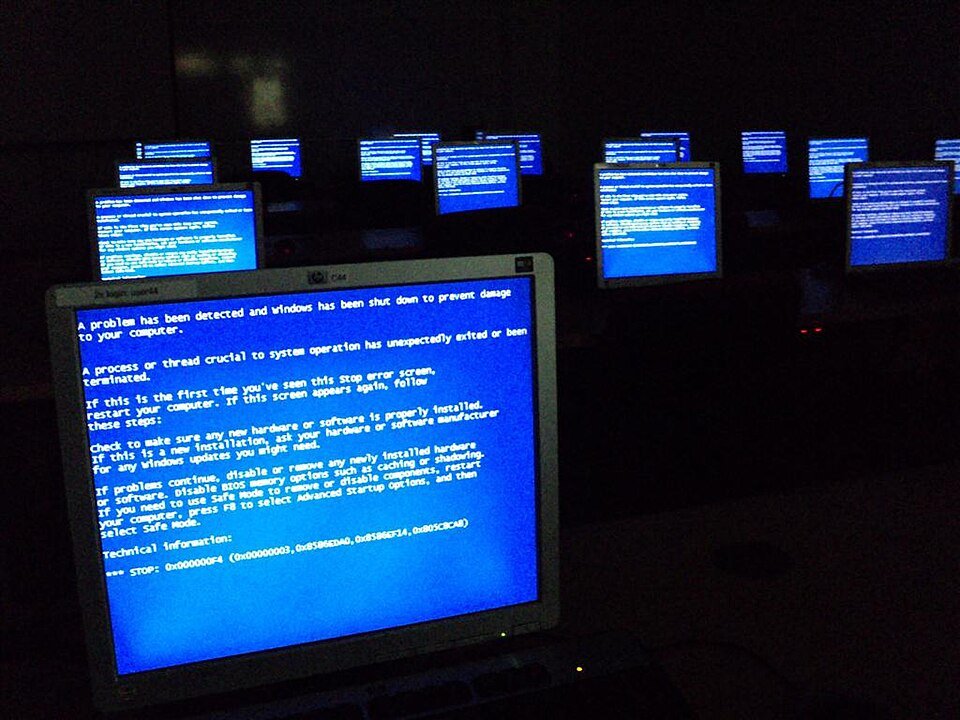
The U.S. Treasury Department's Financial Crimes Enforcement Network (FinCEN) has been hit by a cybersecurity incident that resulted in "unauthorized access to a limited subset of its systems," the bureau said on Tuesday.
As a precaution, it has taken some systems offline. The bureau collects suspicious activity reports and other Bank Secrecy Act (BSA) filings from banks and other financial.
The Treasury Department has taken some systems offline after a cybersecurity incident that “resulted in unauthorized access to a limited subset of its systems.”
⚡ Effects Interpreter
🌍World Economylow impact
What this means for you
- ▶Confidence among international firms might wobble until the picture clears.
- ▶Growth projections drawn up in distant capitals might need a rethink.
🏙️Local Economylow impact
What this means for you
- ▶Everyday spending habits nearby may shift once the news sinks in.
- ▶Small firms on your street may pass costs on cautiously, bit by bit.
🏦Rates & Bankslow impact
What this means for you
- ▶A modest rise in compliance costs can eventually reach everyday fees.
- ▶Extra security steps at your bank are a likely, if mild, side effect here.
❤️Healthmedium impact
What this means for you
- ▶Looking after mental health is worth it when headlines feel heavy.
- ▶Day-to-day stress can creep up if this starts touching familiar routines.
💷Wealthmedium impact
What this means for you
- ▶A calm, considered check beats a panicked one every time.
- ▶Checking for unfamiliar transactions is a sensible first step here.
🏠Housinglow impact
What this means for you
- ▶Any effect on bricks and mortar is likely to be slow and modest.
- ▶Renters may see costs drift a bit as landlords weigh their own bills.
📊 Country financial snapshot
United States
Source: IMF World Economic Outlook; each figure shows its year, and current-year values are IMF estimates. Policy rates and sovereign credit ratings are from the News Effects country dataset and show their own as-of date. Not investment advice.
🌍 Effects for your country
The U.S.'s central bank rate currently stands at 3.75%, so a global rates move like this could feed through to local borrowing costs. The U.S.'s economy is growing at 2.3% with inflation at 3.6%, the backdrop this story's effects play out against locally. Housing-market effects like this are usually felt most where mortgage rates track the U.S.'s own central bank rate closely. With the U.S.'s unemployment at 4.2%, personal-finance effects like this land on a labour market that is currently fairly stable. Health-system effects are harder to localise from economic indicators alone — the real impact in the U.S. depends more on local healthcare capacity than the figures above.
The UK's central bank rate currently stands at 3.75%, so a global rates move like this could feed through to local borrowing costs. The UK's economy is growing at 1.3% with inflation at 3.3%, the backdrop this story's effects play out against locally. Housing-market effects like this are usually felt most where mortgage rates track the UK's own central bank rate closely. With the UK's unemployment at 5.3%, personal-finance effects like this land on a labour market that is currently fairly stable. Health-system effects are harder to localise from economic indicators alone — the real impact in the UK depends more on local healthcare capacity than the figures above.
France's central bank rate currently stands at 2%, so a global rates move like this could feed through to local borrowing costs. France's economy is growing at 0.4% with inflation at 2.4%, the backdrop this story's effects play out against locally. Housing-market effects like this are usually felt most where mortgage rates track France's own central bank rate closely. With France's unemployment at 8.4%, personal-finance effects like this land on a labour market that is already under strain. Health-system effects are harder to localise from economic indicators alone — the real impact in France depends more on local healthcare capacity than the figures above.
Romania's central bank rate currently stands at 6.5%, so a global rates move like this could feed through to local borrowing costs. Romania's economy is growing at -0.5% with inflation at 8.2%, the backdrop this story's effects play out against locally. Housing-market effects like this are usually felt most where mortgage rates track Romania's own central bank rate closely. With Romania's unemployment at 6.5%, personal-finance effects like this land on a labour market that is currently fairly stable. Health-system effects are harder to localise from economic indicators alone — the real impact in Romania depends more on local healthcare capacity than the figures above.
The UAE's central bank rate currently stands at 3.65%, so a global rates move like this could feed through to local borrowing costs. The UAE's economy is growing at -3.9% with inflation at 4.5%, the backdrop this story's effects play out against locally. Housing-market effects like this are usually felt most where mortgage rates track the UAE's own central bank rate closely. Health-system effects are harder to localise from economic indicators alone — the real impact in the UAE depends more on local healthcare capacity than the figures above.