What analysts are telling us while Apple’s stock falls after earnings report
Source: MarketWatch ↗ (cross-verified by 2 outlets — full list below)
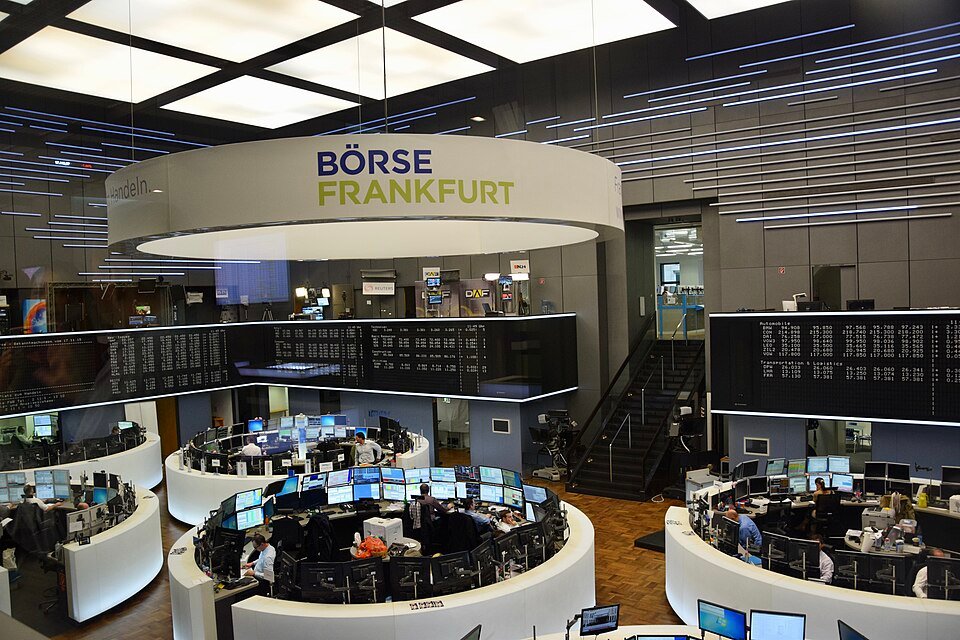
Shares in Apple declined nearly 2% on Tuesday after investors were left feeling disappointed about the company’s gross margin outlook and slowing services revenue growth.
The company missed revenue expectations, a tough outcome in today’s less-forgiving tech market.
⚡ Effects Interpreter
🌍World Economylow impact
What this means for you
- ▶Trade ties could tighten or loosen as the numbers sink in.
- ▶Manufacturing hubs overseas may adjust output if demand signals change.
🏙️Local Economylow impact
What this means for you
- ▶Prices at the pump and the supermarket typically trail moves like this.
- ▶Everyday affordability in your area may shift as the numbers filter down.
🏦Rates & Bankslow impact
What this means for you
- ▶A modest drift in borrowing costs is more plausible than a sharp jump.
- ▶Any move in rates would probably come further down the line, not overnight.
❤️Healthmedium impact
What this means for you
- ▶Sleep and appetite can be the first quiet casualties of unsettling news.
- ▶Taking a break from the headlines can do more good than scrolling on.
💷Wealthmedium impact
What this means for you
- ▶Time in the market usually matters more than timing the market around a story like this.
- ▶Savings and portfolios can see short-lived ups and downs after this kind of news.
🏠Housinglow impact
What this means for you
- ▶Surveyors and valuers tend to factor in wider trends gradually, not overnight.
- ▶First-time buyers watching the market closely may see little change in the short term.
🌍 Effects for your country
The U.S.'s central bank rate currently stands at 3.75%, so a global rates move like this could feed through to local borrowing costs. The U.S.'s economy is growing at 2.3% with inflation at 3.2%, the backdrop this story's effects play out against locally. Housing-market effects like this are usually felt most where mortgage rates track the U.S.'s own central bank rate closely. With the U.S.'s unemployment at 4.4%, personal-finance effects like this land on a labour market that is currently fairly stable. Health-system effects are harder to localise from economic indicators alone — the real impact in the U.S. depends more on local healthcare capacity than the figures above.
The UK's central bank rate currently stands at 3.75%, so a global rates move like this could feed through to local borrowing costs. The UK's economy is growing at 0.8% with inflation at 3.2%, the backdrop this story's effects play out against locally. Housing-market effects like this are usually felt most where mortgage rates track the UK's own central bank rate closely. With the UK's unemployment at 5.6%, personal-finance effects like this land on a labour market that is currently fairly stable. Health-system effects are harder to localise from economic indicators alone — the real impact in the UK depends more on local healthcare capacity than the figures above.
France's central bank rate currently stands at 2%, so a global rates move like this could feed through to local borrowing costs. France's economy is growing at 0.9% with inflation at 1.8%, the backdrop this story's effects play out against locally. Housing-market effects like this are usually felt most where mortgage rates track France's own central bank rate closely. With France's unemployment at 7.9%, personal-finance effects like this land on a labour market that is already under strain. Health-system effects are harder to localise from economic indicators alone — the real impact in France depends more on local healthcare capacity than the figures above.
Romania's central bank rate currently stands at 6.5%, so a global rates move like this could feed through to local borrowing costs. Romania's economy is growing at 0.7% with inflation at 7.8%, the backdrop this story's effects play out against locally. Housing-market effects like this are usually felt most where mortgage rates track Romania's own central bank rate closely. With Romania's unemployment at 6%, personal-finance effects like this land on a labour market that is currently fairly stable. Health-system effects are harder to localise from economic indicators alone — the real impact in Romania depends more on local healthcare capacity than the figures above.
The UAE's central bank rate currently stands at 3.65%, so a global rates move like this could feed through to local borrowing costs. The UAE's economy is growing at 3.1% with inflation at 2.5%, the backdrop this story's effects play out against locally. Housing-market effects like this are usually felt most where mortgage rates track the UAE's own central bank rate closely. Health-system effects are harder to localise from economic indicators alone — the real impact in the UAE depends more on local healthcare capacity than the figures above.