What we know about the ground stop and what to do if you're affected
Source: BBC World ↗ (cross-verified by 6 outlets — full list below)
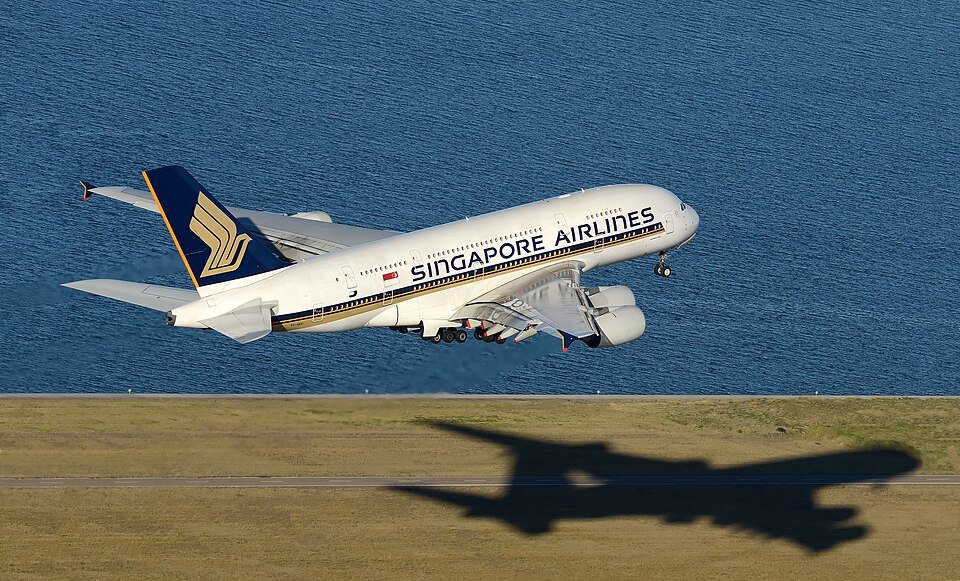
The Federal Aviation Administration lifted the longest nationwide ground stop of flights since the September 11, 2001 attacks after a more‑than‑four‑hour halt that began at 15:54 EST on Friday. The stoppage, described by the FAA as caused by “extraordinary circumstances” stemming from a communication issue that affected every air‑traffic‑control centre, grounded all U.S. departures and left more than 3,500 aircraft already in the air. Over 8,500 flights were delayed and nearly 8,000 cancelled, stranding tens of thousands of passengers in airports across the country. Homeland Security Secretary Markwayne Mullin said there was “zero evidence” of a cyber‑attack, and Transportation Secretary Sean Duffy explained that an “incredibly old” analogue telecom system – its switches and routers – became overloaded with data, crippling communications and radar and prompting the need for a complete $50 billion overhaul.
The outage’s ripple effect extended beyond U.S. borders, halting all U.S.–bound traffic from the 42 Eurocontrol member states, including the United Kingdom, Turkey, Israel and Morocco. British airports saw mixed impacts: Heathrow experienced cancellations and delays, while Manchester and Gatwick reported little disruption. Sydney’s airport grounded all U.S.–bound flights, though departures are now expected to resume. In North America, Air Canada cancelled cross‑border services, and major U.S. carriers such as Delta, United, American, and JetBlue announced staggered resumptions, with JetBlue planning to restart on Saturday morning. Duffy warned that unwinding the disruption would take several days, emphasizing that many stranded travelers lacked information about overnight accommodations.
Under the FAA Reauthorization Act of 2024, passengers on flights delayed three hours domestically or six hours internationally must receive a full refund or an alternative travel option, with credit‑card refunds required within seven business days. While U.S. airlines are not obligated to provide meals or lodging for air‑traffic‑control‑related delays, UK law mandates reasonable food, communication, and accommodation assistance, and the UK Civil Aviation Authority advises travelers to retain receipts for later claims. Both secretaries stressed that no danger to the public arose from the ground stop, attributing the failure to the integration of new technology into an outdated control system rather than malicious activity.
⚡ Effects Interpreter
🌍World Economylow impact
What this means for you
- ▶Global commerce usually shrugs off small shocks, but keeps one eye open.
- ▶Growth projections drawn up in distant capitals might need a rethink.
🏙️Local Economylow impact
What this means for you
- ▶The cost of a weekly food shop can creep up in the background.
- ▶Community shops might subtly reprice stock as costs shift upstream.
🏦Rates & Banksmedium impact
What this means for you
- ▶Savings rates can lag behind news like this by weeks, not days.
- ▶Rate-setters usually take their time digesting this kind of news.
❤️Healthmedium impact
What this means for you
- ▶Keeping a normal routine often helps steady the nerves during unsettling news.
- ▶Public health messaging can go a long way toward easing collective worry.
💷Wealthmedium impact
What this means for you
- ▶Savers with a clear plan tend to feel less rattled by a story like this.
- ▶A quiet review of where your savings sit rarely does any harm.
🏠Housinglow impact
What this means for you
- ▶The property market tends to move slowly, so expect any change to take time.
- ▶First-time buyers might keep half an eye on mortgage rates after this.
📊 Country financial snapshot
United Kingdom
United States
Source: IMF World Economic Outlook; each figure shows its year, and current-year values are IMF estimates. Policy rates and sovereign credit ratings are from the News Effects country dataset and show their own as-of date. Not investment advice.
🌍 Effects for your country
The U.S.'s central bank rate currently stands at 3.75%, so a global rates move like this could feed through to local borrowing costs. The U.S.'s economy is growing at 2.3% with inflation at 3.6%, the backdrop this story's effects play out against locally. Housing-market effects like this are usually felt most where mortgage rates track the U.S.'s own central bank rate closely. With the U.S.'s unemployment at 4.2%, personal-finance effects like this land on a labour market that is currently fairly stable. Health-system effects are harder to localise from economic indicators alone — the real impact in the U.S. depends more on local healthcare capacity than the figures above.
The UK's central bank rate currently stands at 3.75%, so a global rates move like this could feed through to local borrowing costs. The UK's economy is growing at 1.3% with inflation at 3.3%, the backdrop this story's effects play out against locally. Housing-market effects like this are usually felt most where mortgage rates track the UK's own central bank rate closely. With the UK's unemployment at 5.3%, personal-finance effects like this land on a labour market that is currently fairly stable. Health-system effects are harder to localise from economic indicators alone — the real impact in the UK depends more on local healthcare capacity than the figures above.
France's central bank rate currently stands at 2%, so a global rates move like this could feed through to local borrowing costs. France's economy is growing at 0.4% with inflation at 2.4%, the backdrop this story's effects play out against locally. Housing-market effects like this are usually felt most where mortgage rates track France's own central bank rate closely. With France's unemployment at 8.4%, personal-finance effects like this land on a labour market that is already under strain. Health-system effects are harder to localise from economic indicators alone — the real impact in France depends more on local healthcare capacity than the figures above.
Romania's central bank rate currently stands at 6.5%, so a global rates move like this could feed through to local borrowing costs. Romania's economy is growing at -0.5% with inflation at 8.2%, the backdrop this story's effects play out against locally. Housing-market effects like this are usually felt most where mortgage rates track Romania's own central bank rate closely. With Romania's unemployment at 6.5%, personal-finance effects like this land on a labour market that is currently fairly stable. Health-system effects are harder to localise from economic indicators alone — the real impact in Romania depends more on local healthcare capacity than the figures above.
The UAE's central bank rate currently stands at 3.65%, so a global rates move like this could feed through to local borrowing costs. The UAE's economy is growing at -3.9% with inflation at 4.5%, the backdrop this story's effects play out against locally. Housing-market effects like this are usually felt most where mortgage rates track the UAE's own central bank rate closely. Health-system effects are harder to localise from economic indicators alone — the real impact in the UAE depends more on local healthcare capacity than the figures above.