Wild stock market swings: will I lose money, and is there anything I can do?
Source: Guardian Markets ↗
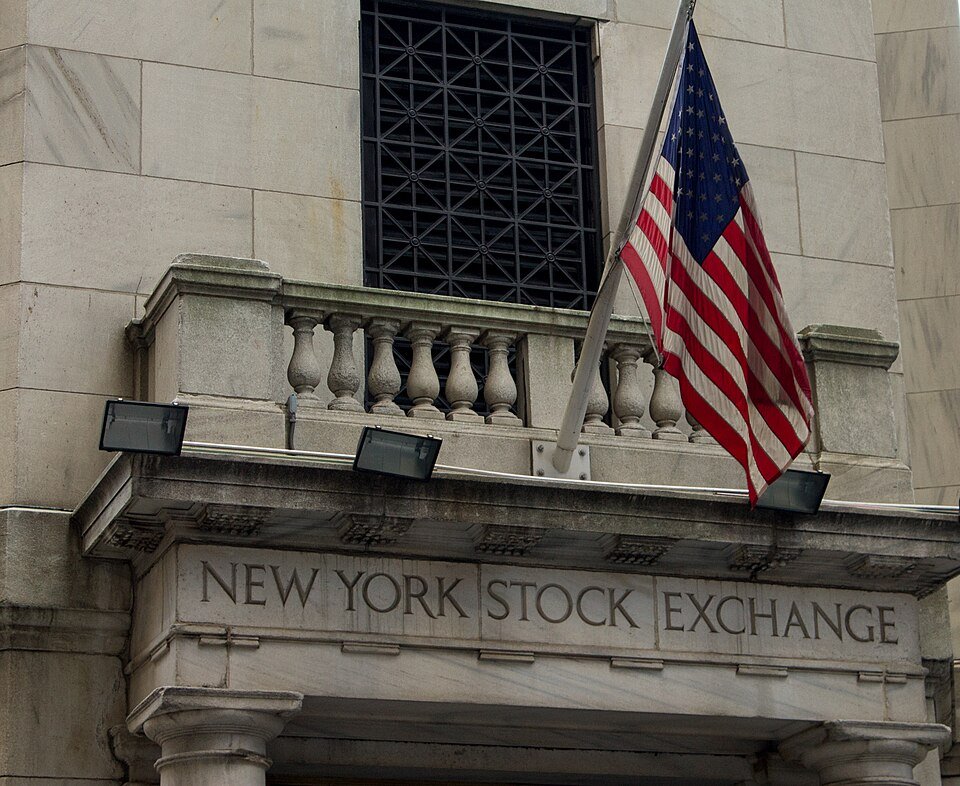
Shares are volatile amid jitters over tech and AI – but think carefully before you decide to ditch investments too It has been a volatile time on global stock markets, with rapid rallies and punishing sell-offs. Last week, the AI company Anthropic launched on to the market and had a record-breaking first day , but on Friday stock markets around the world tumbled and the US Nasdaq closed 5% below its mark on 1 January .
Dan Coatsworth, the head of markets at AJ Bell, says two of the most popular passive investments among investors are global equity funds and funds tracking the S&P 500 US stock market index. Coatsworth says that, while 15 years ago US shares represented half of the MSCI World index – a benchmark for the global stock market – it is now 73%.
⚡ Effects Interpreter
🌍World Economymedium impact
What this means for you
- ▶Global exchanges tend to sync up quickly when a story like this lands.
- ▶Commodity and stock desks tend to react almost at once.
🏙️Local Economylow impact
What this means for you
- ▶Local suppliers who import goods could pass on any change in costs.
- ▶Everyday spending habits nearby could shift once the news sinks in.
🏦Rates & Bankslow impact
What this means for you
- ▶Rate decisions tend to follow data, not headlines, so patience is the norm.
- ▶Savers might glance at their account rate — lenders adjust after big events.
❤️Healthlow impact
What this means for you
- ▶Keeping a normal routine typically helps steady the nerves during unsettling news.
- ▶Stress levels in affected communities might tick up before they settle.
💷Wealthmedium impact
What this means for you
- ▶Short-term swings are normal — long-term savers usually stay the course.
- ▶It's tempting to watch the ticker, but patience often pays off more.
🏠Housinglow impact
What this means for you
- ▶First-time buyers might keep half an eye on mortgage rates after this.
- ▶First-time buyers watching the market closely may see little change in the short term.
📊 Country financial snapshot
United States
Source: IMF World Economic Outlook; each figure shows its year, and current-year values are IMF estimates. Policy rates and sovereign credit ratings are from the News Effects country dataset and show their own as-of date. Not investment advice.
🌍 Effects for your country
The U.S.'s central bank rate currently stands at 3.75%, so a global rates move like this could feed through to local borrowing costs. The U.S.'s economy is growing at 2.3% with inflation at 3.6%, the backdrop this story's effects play out against locally. Housing-market effects like this are usually felt most where mortgage rates track the U.S.'s own central bank rate closely. With the U.S.'s unemployment at 4.2%, personal-finance effects like this land on a labour market that is currently fairly stable. Health-system effects are harder to localise from economic indicators alone — the real impact in the U.S. depends more on local healthcare capacity than the figures above.
The UK's central bank rate currently stands at 3.75%, so a global rates move like this could feed through to local borrowing costs. The UK's economy is growing at 1.3% with inflation at 3.3%, the backdrop this story's effects play out against locally. Housing-market effects like this are usually felt most where mortgage rates track the UK's own central bank rate closely. With the UK's unemployment at 5.3%, personal-finance effects like this land on a labour market that is currently fairly stable. Health-system effects are harder to localise from economic indicators alone — the real impact in the UK depends more on local healthcare capacity than the figures above.
France's central bank rate currently stands at 2%, so a global rates move like this could feed through to local borrowing costs. France's economy is growing at 0.4% with inflation at 2.4%, the backdrop this story's effects play out against locally. Housing-market effects like this are usually felt most where mortgage rates track France's own central bank rate closely. With France's unemployment at 8.4%, personal-finance effects like this land on a labour market that is already under strain. Health-system effects are harder to localise from economic indicators alone — the real impact in France depends more on local healthcare capacity than the figures above.
Romania's central bank rate currently stands at 6.5%, so a global rates move like this could feed through to local borrowing costs. Romania's economy is growing at -0.5% with inflation at 8.2%, the backdrop this story's effects play out against locally. Housing-market effects like this are usually felt most where mortgage rates track Romania's own central bank rate closely. With Romania's unemployment at 6.5%, personal-finance effects like this land on a labour market that is currently fairly stable. Health-system effects are harder to localise from economic indicators alone — the real impact in Romania depends more on local healthcare capacity than the figures above.
The UAE's central bank rate currently stands at 3.65%, so a global rates move like this could feed through to local borrowing costs. The UAE's economy is growing at -3.9% with inflation at 4.5%, the backdrop this story's effects play out against locally. Housing-market effects like this are usually felt most where mortgage rates track the UAE's own central bank rate closely. Health-system effects are harder to localise from economic indicators alone — the real impact in the UAE depends more on local healthcare capacity than the figures above.