Zelensky welcomes US bringing Europe into Russia-Ukraine peace talks
Source: BBC World ↗ (cross-verified by 4 outlets — full list below)
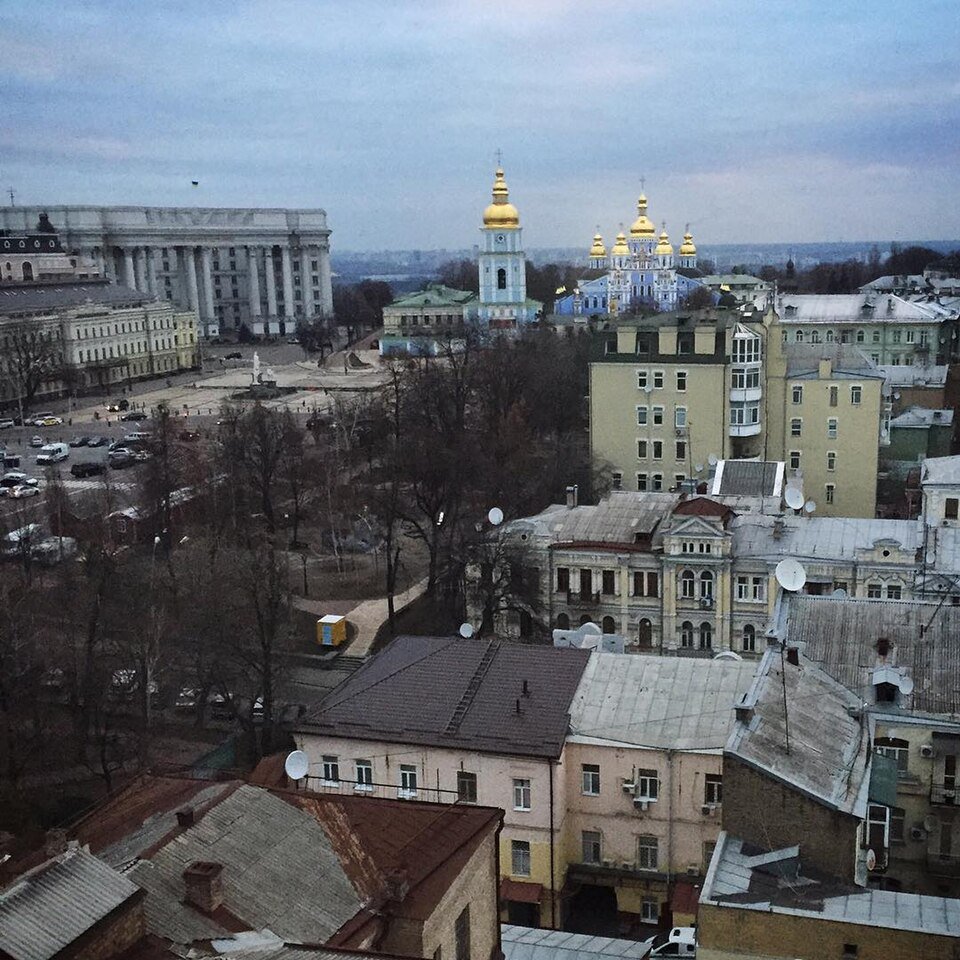
Ukrainian President Volodymyr Zelensky welcomed a pledge from U.S. envoys Jared Kushner and Steve Witkoff to bring European Union delegates into the next round of peace negotiations with Russia, saying the inclusion would give the EU a “voice” in talks that could shape Kyiv’s long‑term goal of EU membership. The meeting took place in Dublin on Thursday evening, following Kushner and Witkoff’s earlier discussion with Russian President Vladimir Putin in Moscow, where Putin reiterated that Russia’s war aims and territorial demands had not changed. The same day, Ukraine and Russia agreed to a large prisoner swap—the biggest since the full‑scale invasion began in 2022—though neither side disclosed the number of detainees or a timeline for the exchange.
Zelensky has long argued that European participation is essential because of Ukraine’s ambition to join the bloc, and Kushner echoed that sentiment, noting that the United States has been working “very, very closely” with European partners over recent months and stressing to Putin the importance of having European delegates “at the table.” European officials have voiced heightened security concerns, with European Commission Vice‑President Kaja Kallas telling the BBC that the Kremlin now recognizes Europe as a “big player,” while Irish Prime Minister Micheál Martin warned that the war has “fundamentally reshaped” regional security and left many EU members feeling an existential threat. Moscow, however, remains dismissive of European involvement, arguing that Europe is not central to any post‑war settlement on the continent.
The diplomatic flurry comes amid growing strains on Ukraine’s military capabilities, as Zelensky reported systematic restrictions on Starlink’s military‑grade satellite service, Starshield, hampering Kyiv’s ability to counter Russian jet‑powered drones. The technology, provided by Elon Musk’s SpaceX, has been crucial for government and frontline communications throughout the conflict. The inclusion of EU delegates could influence future negotiations, affect the pace of Ukraine’s EU accession aspirations, and shape the broader security architecture of Europe, while the unresolved details of the prisoner exchange and continued Russian resistance underscore the fragile and complex path toward any lasting peace.
⚡ Effects Interpreter
🌍World Economylow impact
What this means for you
- ▶The ripples can spread across borders, nudging growth forecasts here and there.
- ▶Markets around the world might take their cue from how this story unfolds.
🏙️Local Economylow impact
What this means for you
- ▶The cost of a weekly food shop can creep up in the background.
- ▶Prices at your local shops may feel a soft, indirect squeeze from this.
🏦Rates & Banksmedium impact
What this means for you
- ▶Your loan or mortgage rate is more likely to drift than to lurch here.
- ▶Watching how currency markets react can hint at where rates head next.
❤️Healthhigh impact
What this means for you
- ▶Neighbours and families could feel more anxious until the dust settles.
- ▶Local surgeries and clinics might see a short-lived rise in enquiries.
💷Wealthmedium impact
What this means for you
- ▶Money set aside for the future can afford to sit tight through this.
- ▶A calm head usually serves savers better than a quick reaction.
🏠Housingmedium impact
What this means for you
- ▶A slow-moving market like housing rarely reacts overnight.
- ▶The housing market has a habit of lagging behind the headlines.
📊 Country financial snapshot
Russia
Ukraine
Source: IMF World Economic Outlook; each figure shows its year, and current-year values are IMF estimates. Policy rates and sovereign credit ratings are from the News Effects country dataset and show their own as-of date. Not investment advice.
🌍 Effects for your country
The U.S.'s central bank rate currently stands at 3.75%, so a global rates move like this could feed through to local borrowing costs. The U.S.'s economy is growing at 2.3% with inflation at 3.6%, the backdrop this story's effects play out against locally. Housing-market effects like this are usually felt most where mortgage rates track the U.S.'s own central bank rate closely. With the U.S.'s unemployment at 4.2%, personal-finance effects like this land on a labour market that is currently fairly stable. Health-system effects are harder to localise from economic indicators alone — the real impact in the U.S. depends more on local healthcare capacity than the figures above.
The UK's central bank rate currently stands at 3.75%, so a global rates move like this could feed through to local borrowing costs. The UK's economy is growing at 1.3% with inflation at 3.3%, the backdrop this story's effects play out against locally. Housing-market effects like this are usually felt most where mortgage rates track the UK's own central bank rate closely. With the UK's unemployment at 5.3%, personal-finance effects like this land on a labour market that is currently fairly stable. Health-system effects are harder to localise from economic indicators alone — the real impact in the UK depends more on local healthcare capacity than the figures above.
France's central bank rate currently stands at 2%, so a global rates move like this could feed through to local borrowing costs. France's economy is growing at 0.4% with inflation at 2.4%, the backdrop this story's effects play out against locally. Housing-market effects like this are usually felt most where mortgage rates track France's own central bank rate closely. With France's unemployment at 8.4%, personal-finance effects like this land on a labour market that is already under strain. Health-system effects are harder to localise from economic indicators alone — the real impact in France depends more on local healthcare capacity than the figures above.
Romania's central bank rate currently stands at 6.5%, so a global rates move like this could feed through to local borrowing costs. Romania's economy is growing at -0.5% with inflation at 8.2%, the backdrop this story's effects play out against locally. Housing-market effects like this are usually felt most where mortgage rates track Romania's own central bank rate closely. With Romania's unemployment at 6.5%, personal-finance effects like this land on a labour market that is currently fairly stable. Health-system effects are harder to localise from economic indicators alone — the real impact in Romania depends more on local healthcare capacity than the figures above.
The UAE's central bank rate currently stands at 3.65%, so a global rates move like this could feed through to local borrowing costs. The UAE's economy is growing at -3.9% with inflation at 4.5%, the backdrop this story's effects play out against locally. Housing-market effects like this are usually felt most where mortgage rates track the UAE's own central bank rate closely. Health-system effects are harder to localise from economic indicators alone — the real impact in the UAE depends more on local healthcare capacity than the figures above.